Introduction: Understanding the Concept of Digital Defense
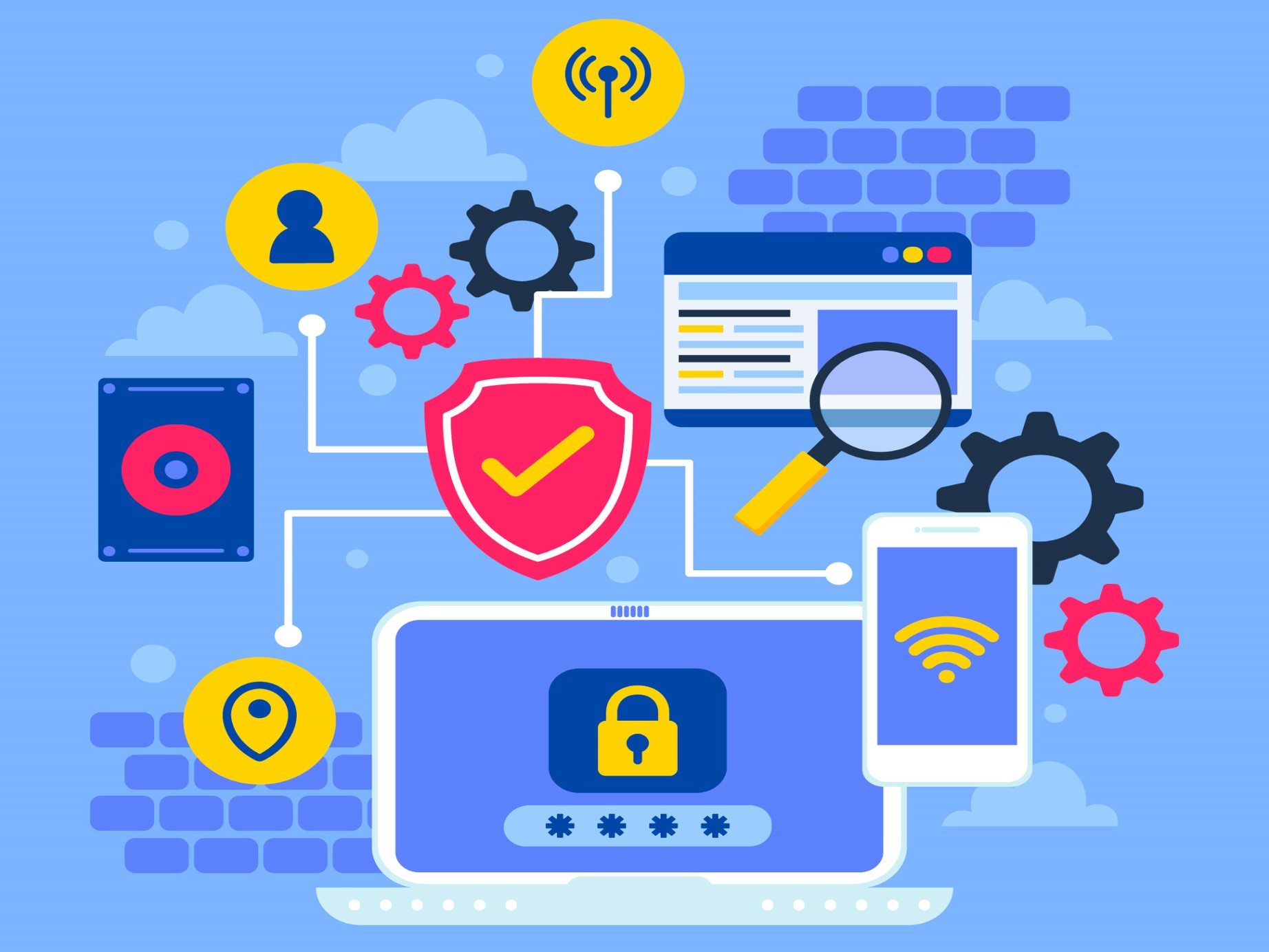
In today’s hyperconnected world, digital defense is no longer a choice — it’s a necessity. Every click, download, and online transaction creates data, and that data is valuable. But with opportunity comes risk. Cybercriminals constantly seek vulnerabilities in networks, devices, and applications.
Digital defense refers to the strategies, technologies, and best practices used to safeguard individuals, businesses, and governments from cyber threats. It’s the shield that protects sensitive data from attacks such as phishing, ransomware, malware, and identity theft.
As digital transformation accelerates, strong cybersecurity measures have become as important as locking your front door. Trusted sources like BotDef’s Security Insights emphasize that even small preventive actions—like enabling two-factor authentication or updating passwords—can make a significant difference.
Why Digital Defense Matters More Than Ever
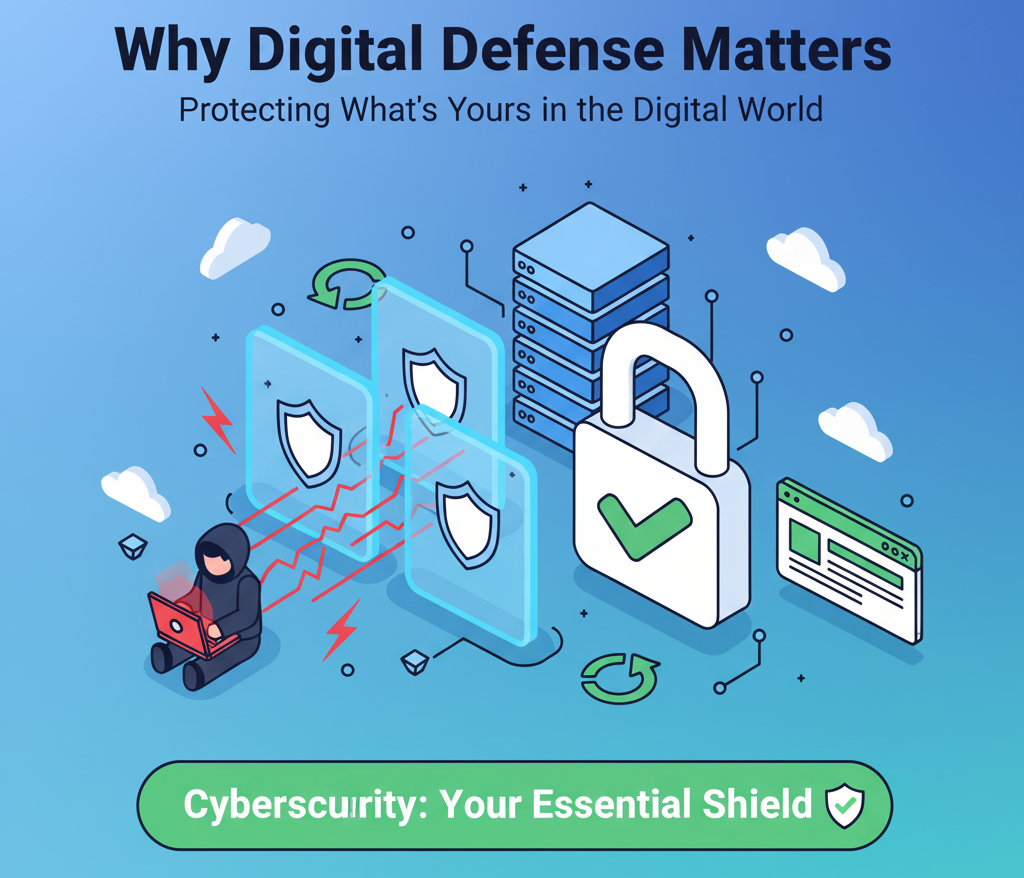
The number of cyberattacks is rising every year. According to Cybersecurity Ventures, global cybercrime costs will reach $10.5 trillion annually by 2025. This staggering figure highlights the urgency for individuals and organizations to prioritize digital defense.
A weak defense system doesn’t just lead to financial losses — it can damage reputation, compromise customer trust, and disrupt operations. For example, many small businesses have had to shut down after severe ransomware attacks.
Implementing a proper digital defense framework ensures:
- Protection of personal and financial data
- Business continuity and trustworthiness
- Compliance with privacy regulations (like GDPR or ISO standards)
- Prevention of identity theft and fraud
For companies investing in digital resilience, resources such as BotDef’s Threat Prevention Blog provide practical steps to enhance protection layers and mitigate vulnerabilities effectively.
Core Components of Digital Defense
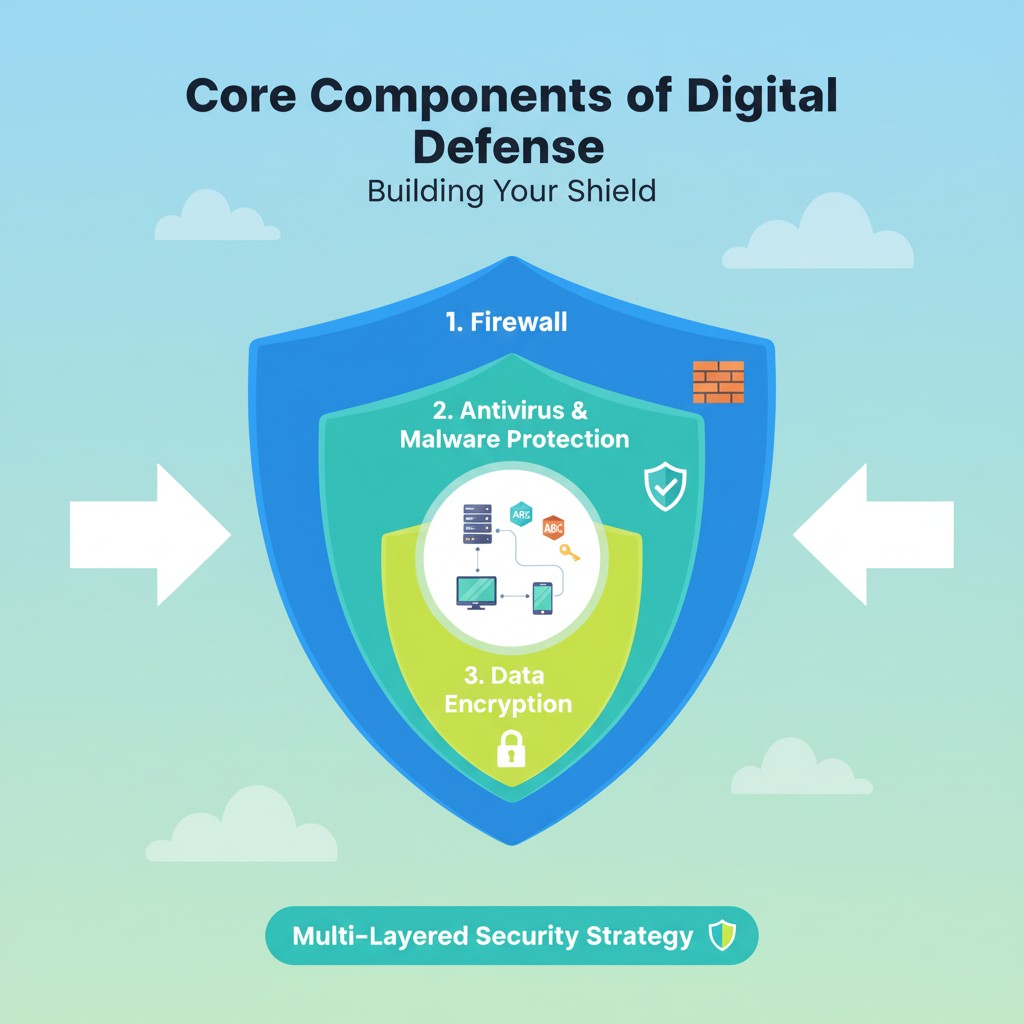
Digital defense isn’t just about installing antivirus software — it’s a multi-layered ecosystem of tools and habits designed to stop, detect, and respond to cyber threats.
1. Firewalls and Network Security
A firewall acts as a digital barrier between your device or network and potential external threats. It filters data packets, allowing only safe and authorized connections. Whether it’s a home router or a corporate network, setting up robust firewall configurations is a foundational step toward preventing intrusions.
2. Antivirus and Anti-Malware Protection
Modern antivirus tools are now powered by AI-based detection algorithms that can recognize even the latest malware strains. Regular system scans and real-time monitoring keep harmful software at bay.
3. Secure Authentication and Encryption
Using multi-factor authentication (MFA) and data encryption is vital. MFA ensures that even if your password is compromised, unauthorized users cannot access your accounts. Encryption, on the other hand, converts data into unreadable formats, making it useless for hackers.
4. Cloud Security
As organizations shift to cloud computing, cloud security ensures data protection during transmission and storage. Tools like BotDef CloudGuard are designed to detect anomalies and prevent data leaks.
5. Threat Intelligence and Monitoring
Digital defense is not only reactive but proactive. Continuous threat intelligence systems analyze attack trends and detect potential breaches before they occur. This predictive defense approach enables early action against cybercriminals.
How Individuals Can Strengthen Their Digital Defense
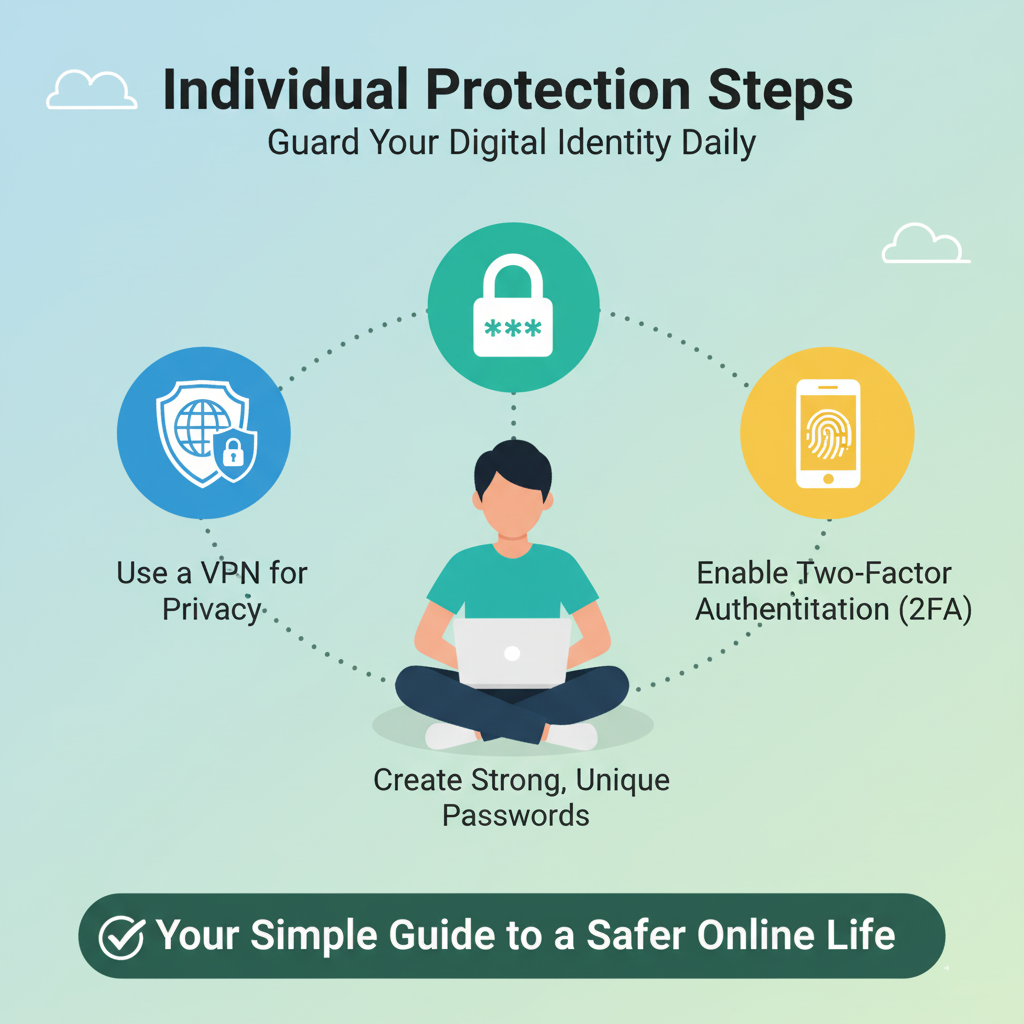
Even if you’re not running a business, your personal data—emails, photos, banking details—is valuable. Here are key steps to strengthen your digital defense:
- Use Strong, Unique Passwords: Avoid using the same password across multiple platforms. Use a trusted password manager.
- Enable Two-Factor Authentication: Adds an extra layer of protection.
- Update Software Regularly: Patches close security gaps exploited by hackers.
- Avoid Public Wi-Fi for Transactions: Use a VPN for secure browsing.
- Stay Alert for Phishing Scams: Don’t click suspicious links or attachments.
How Businesses Can Implement Strong Digital Defense
For organizations, building a resilient cybersecurity ecosystem means integrating both technology and human awareness.
Build a Security-First Culture
Employee awareness is often the first line of defense. Conduct regular training sessions to identify phishing attempts and promote responsible data handling.
Implement Zero Trust Architecture
This model ensures that no device or user is trusted by default. Every access request is verified before granting permission — reducing the attack surface.
Regular Security Audits
Perform periodic audits and vulnerability scans to identify weak points. Partnering with cybersecurity experts such as BotDef’s can ensure compliance with modern security standards.
Use AI and Automation
AI-driven cybersecurity tools can detect anomalies and threats faster than human teams. Automated defense systems help neutralize threats in real-time without manual intervention.
The Future of Digital Defense
The future of digital defense lies in predictive AI, blockchain authentication, and quantum encryption. These technologies aim to outsmart hackers before they can strike.
- AI-Driven Defense: Machine learning continuously adapts to identify new attack patterns.
- Blockchain-Based Identity: Ensures tamper-proof authentication.
- Quantum Encryption: Provides nearly unbreakable data protection.
As the cybersecurity landscape evolves, collaboration between businesses, government, and individuals becomes essential. Continuous education and early adoption of modern tools — like BotDef Quantum Shield — will define the next generation of cyber protection.
Conclusion: Building a Safer Digital Tomorrow
Digital defense isn’t just about technology — it’s about awareness, responsibility, and continuous learning. Whether you’re a student, professional, or entrepreneur, strengthening your online defense is essential to thriving in a digital-first world.
By embracing strong security practices and leveraging trusted platforms like BotDef, you can protect your digital identity, secure your data, and contribute to a safer cyberspace for everyone.