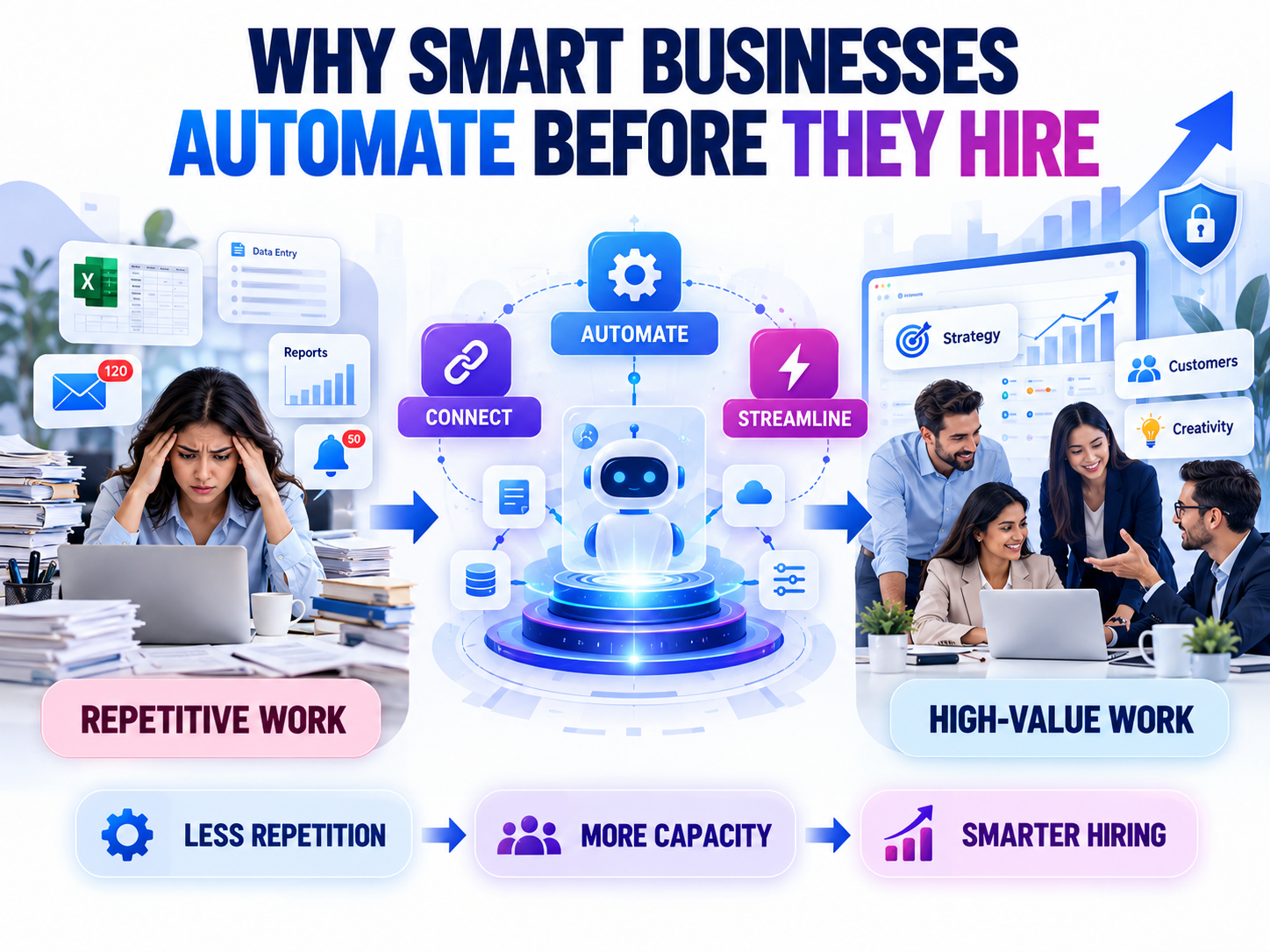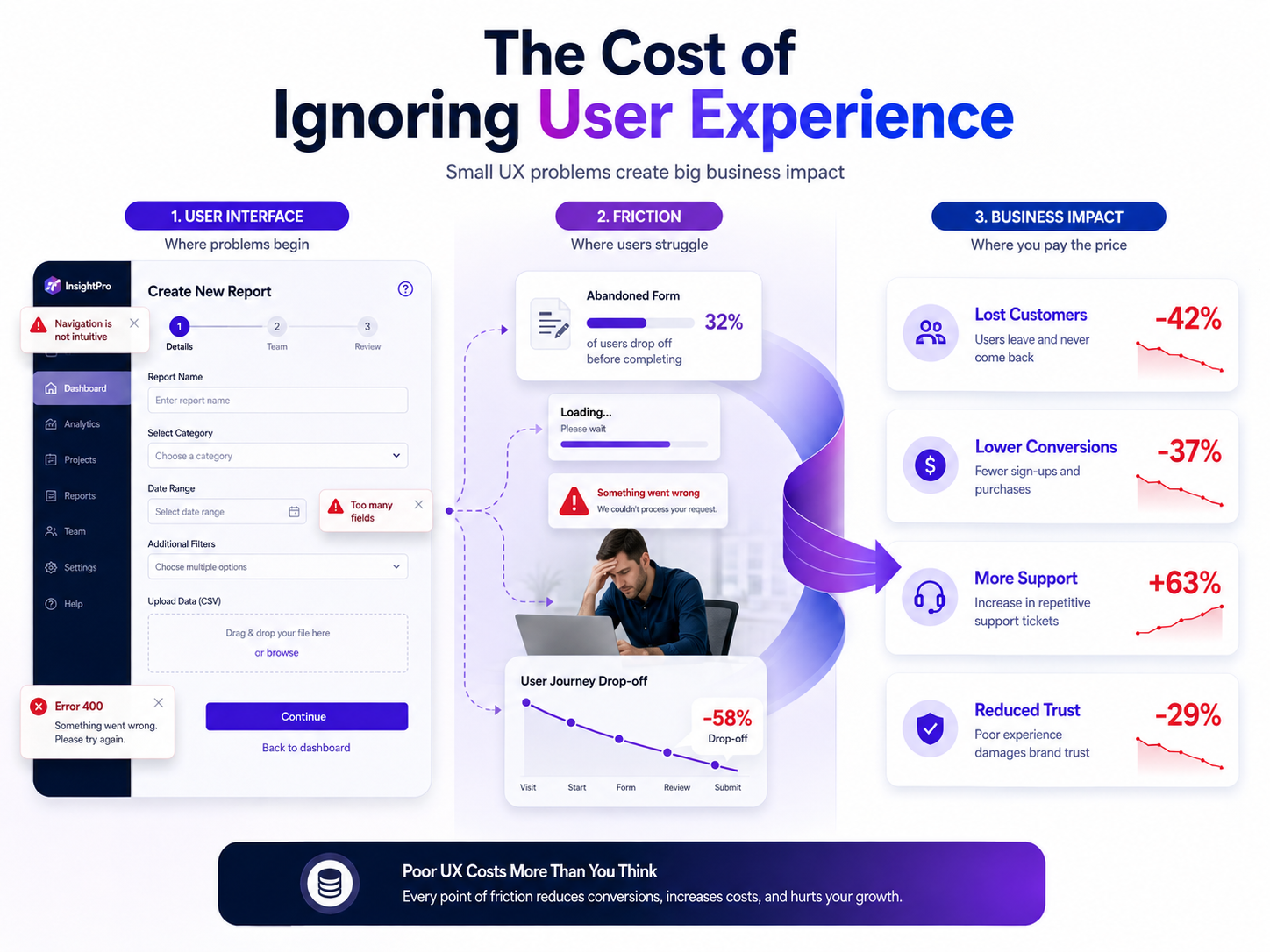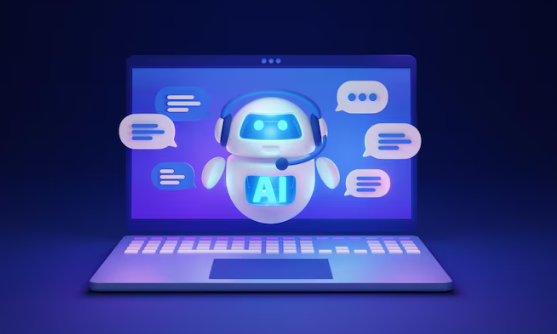
In the rapidly evolving landscape of cybersecurity, the integration of Artificial Intelligence (AI) into security automation workflows is no longer optional — it’s essential. With increasing complexity in threats and data overload, AI enables organizations to automate detection, triage, and response at an unprecedented scale and speed. But how exactly is AI shaping these workflows in 2025?
Let’s break down how AI is revolutionizing security operations with real-time insights, adaptive learning, and faster incident resolution.
Why Traditional Security Automation Needed an Upgrade
While security automation tools have been around for years, they often struggled with:
- Static rule sets
- False positives
- Manual configuration
- Limited scalability
Key Ways AI Enhances Security Automation
Intelligent Threat Detection with Machine Learning
AI models can now identify anomalies in user behavior, network traffic, and system logs with extreme accuracy. Machine learning algorithms adapt over time, detecting both known and unknown threats.
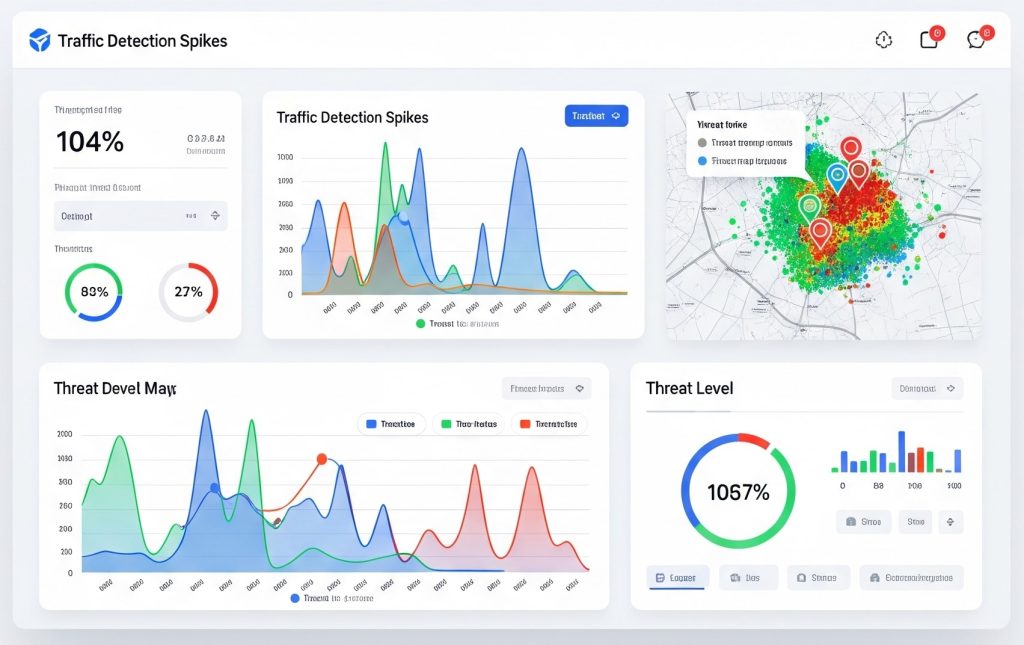
🔗 Learn how IBM’s QRadar SIEM uses AI for threat detection.
Faster Incident Response and Triage
Gone are the days of waiting hours to investigate alerts. AI-powered tools can automatically:
- Correlate incidents
- Assign severity scores
- Trigger pre-defined response actions
This drastically reduces Mean Time to Detect (MTTD) and Mean Time to Respond (MTTR).
🔗 Read our blog on Top 5 Security Automation Tools Every Business Should Know.
Context-Aware Analysis
AI doesn’t just analyze raw data — it understands context. Whether it’s recognizing the difference between a normal user login vs. suspicious credential stuffing, contextual AI improves decision-making accuracy.
Integration with Existing SOAR Platforms
Security Orchestration, Automation, and Response (SOAR) platforms like Splunk SOAR or Cortex XSOAR are now powered by AI capabilities.
- Automated Playbooks: AI triggers specific actions based on the context
- Natural Language Processing: Helps analysts understand logs and reports faster
- Predictive Analytics: Anticipates potential attack vectors
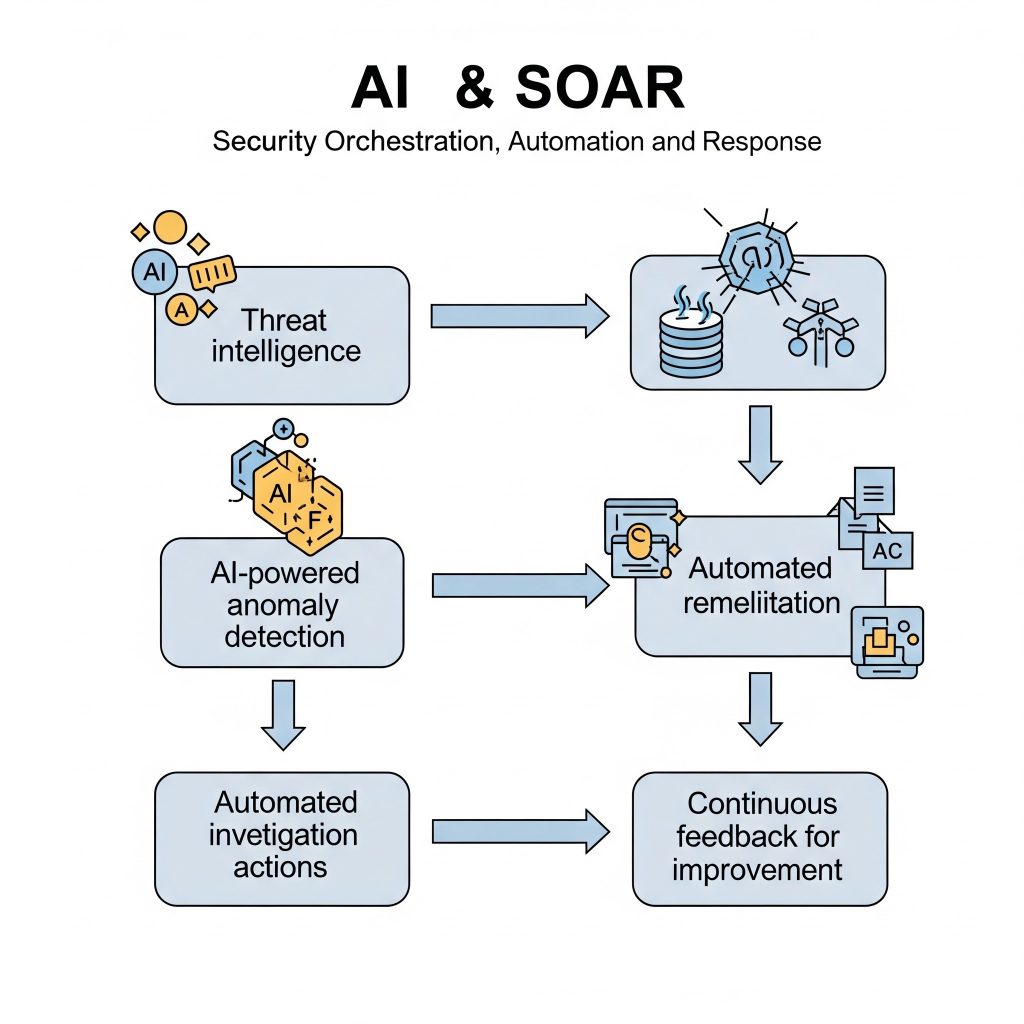
Real-Time Alert Prioritization and Noise Reduction
AI filters out false positives and repetitive alerts, allowing teams to focus on real threats.
For example, an AI system can group 100 similar alerts into one actionable ticket.
Benefits of AI in Security Workflows
Improved Accuracy
AI minimizes human error and recognizes patterns invisible to human analysts.
Scalability
From small businesses to large enterprises, AI systems scale with your infrastructure.
24/7 Monitoring
AI doesn’t sleep — it offers round-the-clock surveillance without fatigue.
What the Future Holds
AI in security is heading toward self-healing systems and autonomous incident response.
Conclusion: AI Is the Future of Security Automation
AI is transforming security automation workflows by making threat detection faster, smarter, and more accurate. It reduces manual effort, filters out false positives, and enables 24/7 intelligent monitoring. As cybersecurity challenges grow, adopting AI-powered automation is no longer optional — it’s a strategic necessity for any forward-thinking organization in 2025.