📞 Introduction: Why Identifying Contact Names Has Become So Important
In today’s digital world, our phones ring more than ever. However, not every call is welcome. From spam calls and telemarketers to potential scam attempts, unknown numbers have become a serious concern. This is exactly where the need to identify contact name in Truecaller arises.
Truecaller has become one of the most widely used caller ID apps globally. Millions of people rely on it daily to find out who is calling them. Whether it is a missed call from an unknown number or repeated calls from a suspicious contact, Truecaller promises instant identification. But how accurate is it? How does it work? Is it safe? And are there better security-focused alternatives?
In this in-depth guide, we will explore everything about identifying contact names in Truecaller, including how it works, step-by-step usage, privacy risks, accuracy levels, legal concerns, and how cybersecurity platforms like Botdef can enhance your protection from caller-based threats.
📲 What Does “Identify Contact Name in Truecaller” Actually Mean?
When people search for “identify contact name in Truecaller,” they usually want to know:
- Who is calling from an unknown number
- Whether the caller is spam, business, or personal
- If the number is safe to answer
- The real name behind a missed call
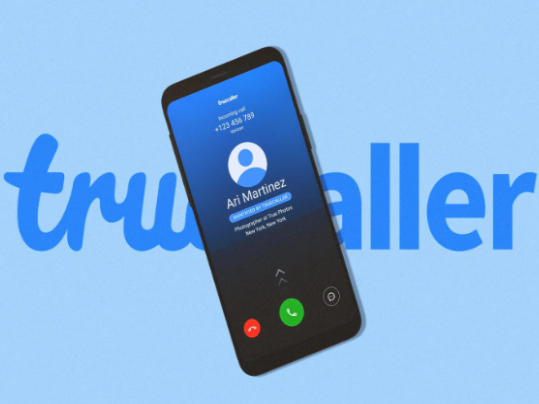
Truecaller works as a global phone directory. It pulls data from its massive user base and public sources to display the name, location, and sometimes the photo of the caller.
However, it is important to understand that Truecaller does not magically know everyone’s name. Instead, it relies on shared contact lists and crowd-sourced data. This means the name you see is what someone else saved that number as.
⚙️ How Truecaller Works Behind the Scenes
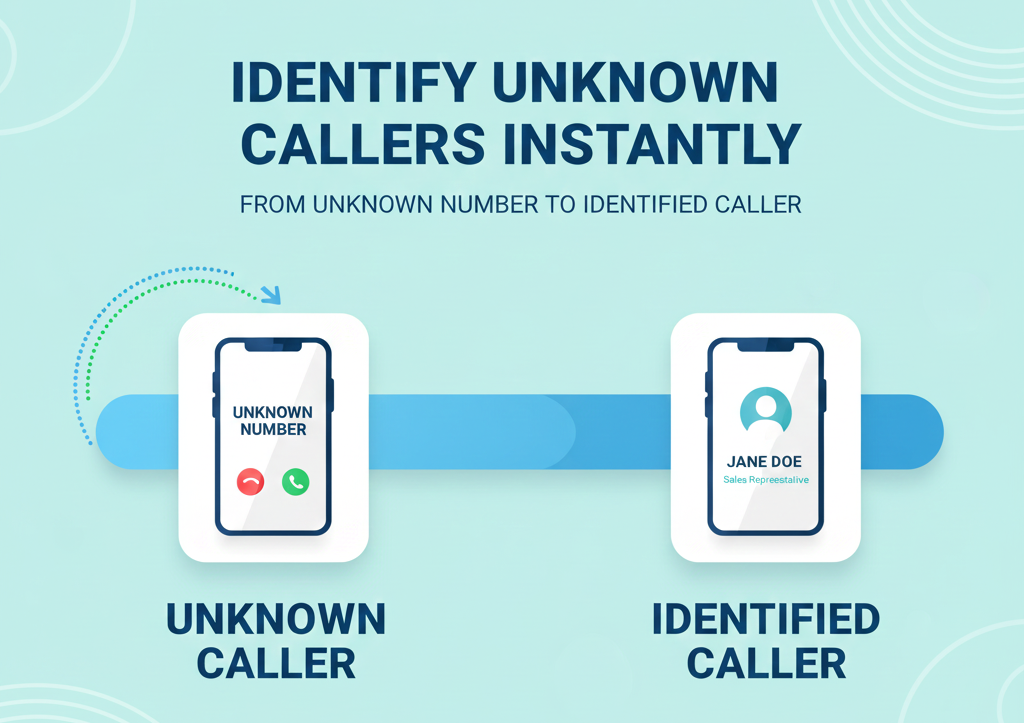
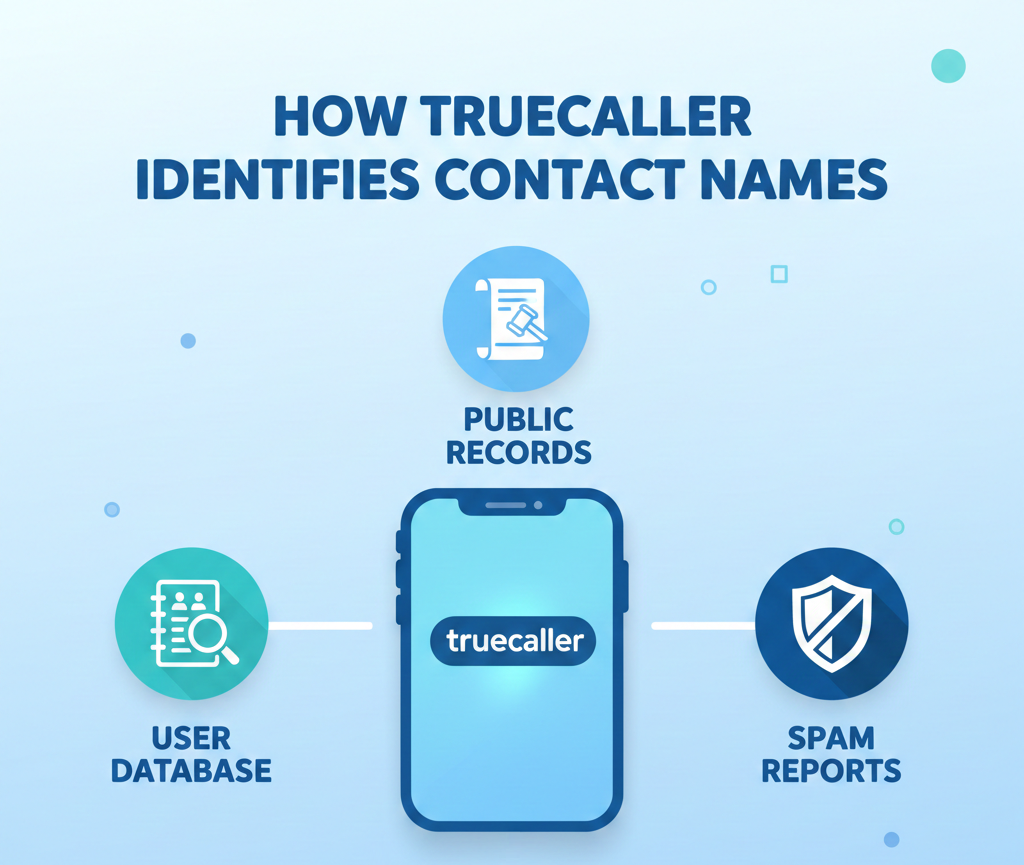
To truly understand how Truecaller identifies contact names, we need to break down its data model.
1. Crowd-Sourced Database
When users install Truecaller and grant permission, the app uploads their contact list to its servers. Over time, this creates a huge database of names linked to phone numbers.
2. Public Records & Business Listings
Truecaller also uses public business directories and online listings to identify companies, customer support numbers, and services.
3. User Reports & Spam Tags
Users can tag numbers as spam, fraud, telemarketer, etc. These reports help Truecaller warn others.
4. AI & Pattern Recognition
Truecaller uses algorithms to detect suspicious patterns, such as mass-calling numbers or scam behavior.
So when you receive a call, Truecaller quickly checks its database and displays the most relevant name.
📋 Step-by-Step: How to Identify Contact Name in Truecaller
Step 1: Install Truecaller
Download Truecaller from Google Play Store or Apple App Store.
Step 2: Sign Up & Verify Number
You must register with your own phone number to use the service.
Step 3: Grant Permissions
Allow access to contacts and calls. This is required for full functionality.
Step 4: Search the Number
You can manually enter any number in the search bar to identify the name.
Step 5: View Caller Details
Truecaller will show:
- Name
- Location
- Spam status
- Caller type (business, individual, etc.)
Why Truecaller Is So Popular for Caller Identification
There are several reasons why millions trust Truecaller:
- Huge global database
- Real-time caller ID
- Spam detection
- Easy interface
- Free basic usage
However, popularity does not always mean perfection. There are limitations and risks you must be aware of.
⚠️ Accuracy of Contact Names in Truecaller – Reality Check
Many users assume that Truecaller always shows the correct name. But in reality:
- The name depends on how someone saved the number
- Outdated data can remain in the database
- Fake or incorrect names can appear
- Some numbers show nicknames or business aliases
For example, if someone saved a number as “Loan Scam,” that is what others may see. This is helpful sometimes, but it can also be misleading.
Therefore, while Truecaller is useful, it should not be considered 100% reliable.
🔐 Privacy Concerns You Must Know Before Using Truecaller
This is a very important section, especially for security-conscious users.
1. Contact Uploading Risk
When you allow access, your entire contact list may be uploaded. This includes private numbers of people who never gave consent.
2. Data Exposure
Your number and name might appear in Truecaller even if you never installed the app.
3. Misuse Possibility
Scammers can misuse publicly visible data to target victims.
This is why many cybersecurity experts recommend combining caller ID tools with security platforms like Botdef.
🛡️ How Botdef Helps Protect You from Caller-Based Threats
While Truecaller helps identify names, Botdef focuses on digital threat protection. It is designed to detect, analyze, and defend against cyber risks, including:
- Scam call patterns
- Phishing attempts
- Social engineering attacks
- Fraud campaigns
- Automated threat activities
By using Truecaller for identification and Botdef for security analysis, you create a stronger defense layer.
You can explore Botdef’s cybersecurity solutions here:
👉 https://botdef.com
This combination is especially useful for businesses, professionals, and people who receive frequent unknown calls.
🔎 Identify Unknown Numbers Without Truecaller – Alternative Methods
Although Truecaller is popular, it is not the only option.
1. Google Search
Simply paste the number into Google. Many business numbers are indexed.
2. Social Media Lookup
Sometimes numbers are linked to Facebook, LinkedIn, or WhatsApp profiles.
3. Reverse Lookup Websites
There are several free and paid services that provide caller information.
4. Cybersecurity Tools (Recommended)
Advanced platforms like Botdef help analyze suspicious activity patterns beyond just names.
⚖️ Legal & Ethical Aspects of Caller Identification
In many countries, sharing contact data without consent can raise legal issues. While Truecaller claims compliance, users should be aware of:
- Data protection laws (like GDPR)
- Consent requirements
- Right to remove your number
You can unlist your number from Truecaller via their website, but it may take time.
❌ Common Myths About Identifying Contact Names in Truecaller
Let’s clear some confusion:
- Myth: Truecaller shows official government records
Truth: It shows crowd-sourced data. - Myth: All names are verified
Truth: Many are user-generated. - Myth: It is completely safe
Truth: There are privacy trade-offs.
Understanding these myths helps you use the app wisely.
When Should You Trust Truecaller Results?
You can trust Truecaller more when:
- The number is marked as a verified business
- Multiple users report the same name
- The spam tag is consistent
- The profile has detailed information
However, you should be cautious when:
- The name looks strange or incomplete
- The number has no history
- The call involves money, OTPs, or personal data
In such cases, additional security checks using platforms like Botdef are highly recommended.
🏢 How Businesses Use Caller Identification Tools
Companies use caller ID tools to:
- Screen unknown calls
- Protect customer support lines
- Avoid scam callers
- Improve response efficiency
Many organizations integrate caller identification with cybersecurity systems to reduce risk. This is where solutions like Botdef play a vital role by monitoring digital threats across channels.
Future of Caller Identification Technology
The future will likely include:
- AI-based caller verification
- Real-time scam detection
- Behavioral analysis
- Integration with cybersecurity platforms
- Privacy-first identification models
Platforms like Botdef are already moving in this direction by focusing on threat behavior analysis instead of just names.
Final Thoughts: Should You Rely on Truecaller Alone?
Truecaller is a helpful tool for identifying contact names and avoiding spam. However, it should not be your only line of defense. Due to privacy concerns and data accuracy limitations, it is best used alongside cybersecurity solutions like Botdef.
This balanced approach ensures:
- Better identification
- Higher security
- Reduced scam risk
- Stronger privacy control
In today’s threat-heavy digital environment, knowing who is calling is important, but knowing whether they are safe is critical.