Introduction: Why “Lookup Support Email Owner Name” Is More Important Than Ever
In today’s digital-first world, almost every business relies on support email addresses such as [email protected], [email protected], or [email protected] to communicate with customers. However, with the rapid rise of phishing attacks, fake support scams, impersonation emails, and fraud attempts, the need to lookup support email owner name has become absolutely critical.
Moreover, cybercriminals now create fake support emails that look genuine but are controlled by attackers. As a result, businesses and customers are both at risk. Therefore, verifying who actually owns a support email address is no longer optional – it is essential.
This detailed guide will help you understand:
- What it means to lookup support email owner name
- Why it matters for businesses and individuals
- How to check email ownership step-by-step
- Tools, techniques, and rare insider methods
- How platforms like BotDef help in protecting against fake support identities
By the end of this blog, you will have complete clarity on how to verify any support email professionally and securely.
What Does “Lookup Support Email Owner Name” Actually Mean?
When we say lookup support email owner name, we are referring to the process of identifying who is behind a support email address – whether it is an individual, a company, a verified brand, or a malicious actor.
In simple words, it answers:
“Is this support email really owned by the company it claims to represent?”
For example:
- Is
[email protected]actually Amazon? - Is
[email protected]really your bank? - Is
[email protected]from Instagram or a scammer?
This verification process protects users from:
- Phishing attacks
- Identity theft
- Payment fraud
- Data leaks
- Brand impersonation
⚠️ Why Lookup Support Email Owner Name Is Critical for Businesses
1. Protecting Brand Reputation
Fake support emails can damage your brand image. Customers may blame your company for fraud that you never committed.
2. Preventing Customer Data Breaches
Scammers often use fake support emails to collect sensitive information such as OTPs, passwords, and card details.
3. Avoiding Legal & Compliance Issues
If customers are harmed through impersonation, legal liability and trust issues may arise.
4. Maintaining Customer Trust
Trust is fragile. Once broken, it is very hard to rebuild. Verifying support email ownership protects long-term credibility.
🕵️♂️ How Scammers Use Fake Support Emails (And Why People Fall for Them)
Scammers are extremely smart. They:
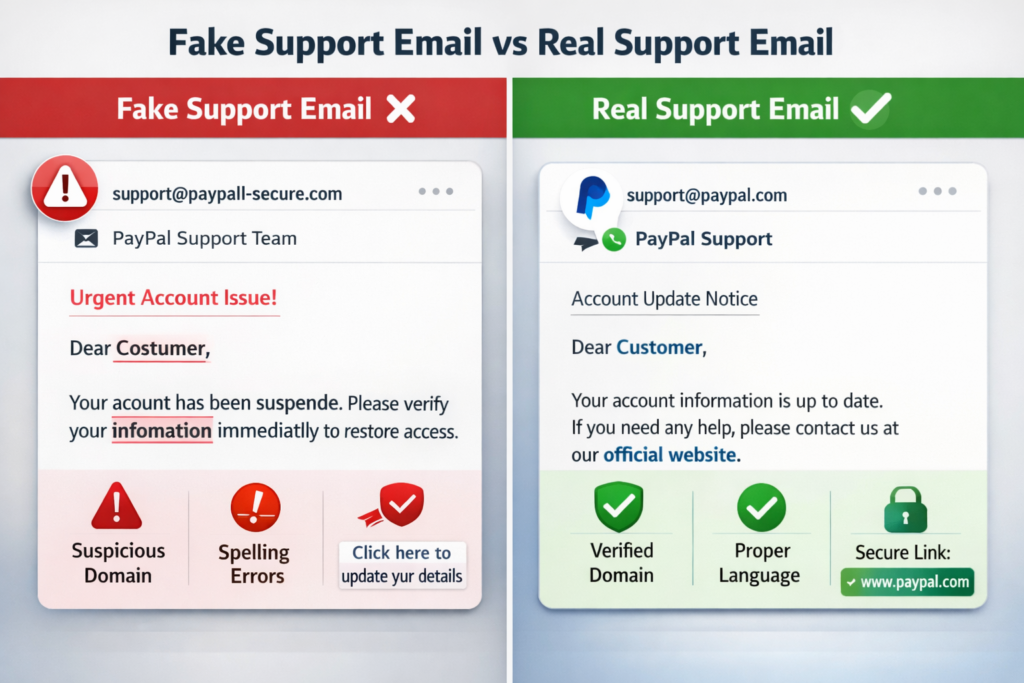
- Copy logos and email signatures
- Use similar domain names (typosquatting)
- Create urgency (“Your account will be blocked”)
- Pretend to be customer support agents
- Use professional language
As a result, even educated users sometimes fall for these tricks.
This is exactly why lookup support email owner name is becoming a standard security practice across industries.
How to Lookup Support Email Owner Name – Step by Step
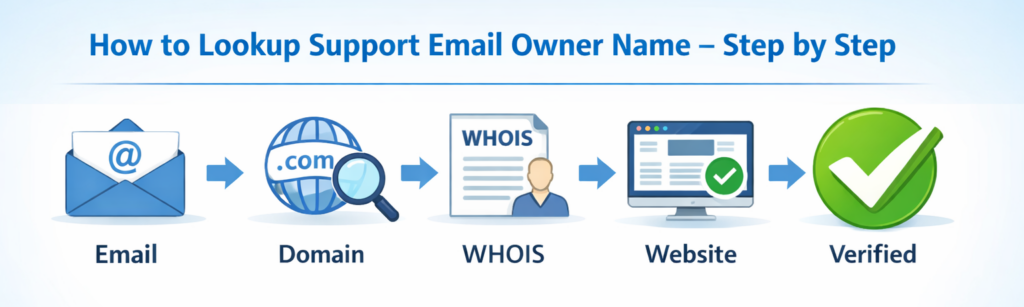
Step 1: Check the Domain Name Carefully
First, analyze the domain after the @ symbol.
For example:
[email protected]→ likely genuine[email protected]→ suspicious (1 instead of l)
Always verify spelling, extensions, and domain structure.
Step 2: WHOIS Domain Lookup
Use WHOIS tools to check:
- Domain owner name
- Registration date
- Company details
- Country of origin
If the domain is newly registered or hidden, it could be suspicious.
Step 3: Google Search the Email Address
Type the full email in Google:
"[email protected]"
If it is genuine, you will usually find:
- Website mentions
- Help pages
- Business listings
- Trust profiles
If nothing appears, be cautious.
Step 4: Check Official Website Contact Page
Always cross-check:
- Does the email match the one on the official website?
- Is it listed in the contact/support section?
If not, it is likely fake.
Step 5: Analyze Email Headers (Advanced Method)
Email headers reveal:
- Sending server
- IP address
- Country
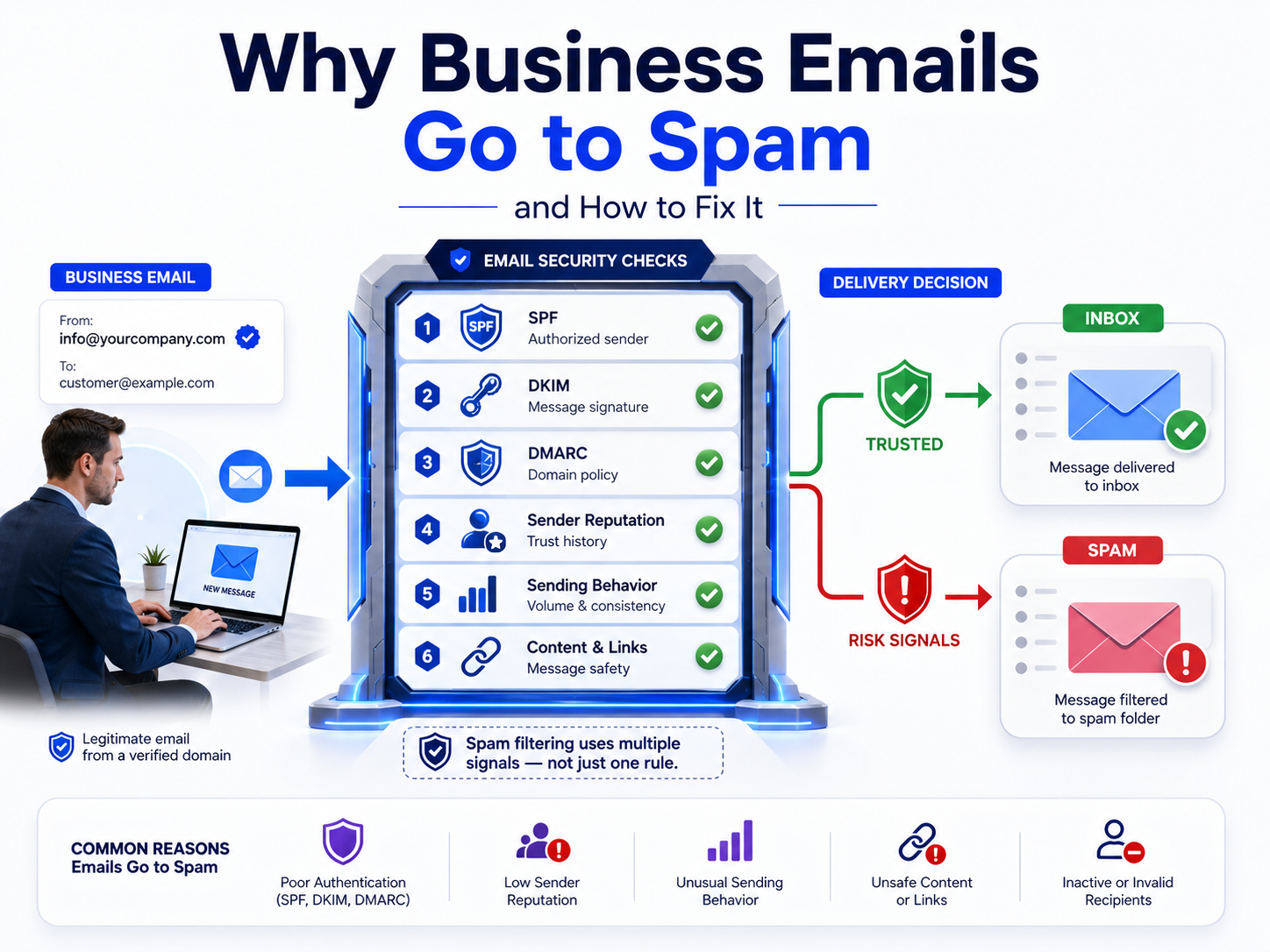
- Authentication status (SPF, DKIM, DMARC)
This helps identify if the email is coming from an authorized server.
🛡️ Role of BotDef in Email & Identity Protection
When it comes to protecting businesses from fake identities, impersonation, and fraud, BotDef plays an important role.
BotDef focuses on:
- Detecting fake accounts
- Preventing impersonation
- Blocking malicious identities
- Protecting brand reputation online
By integrating advanced detection techniques, BotDef helps businesses identify suspicious behavior patterns and reduce the risk of fake support identities.
You can learn more about BotDef here:
👉 https://botdef.com
This makes BotDef a valuable layer of protection when dealing with unknown or suspicious support emails.
📩 Common Scenarios Where You Must Lookup Support Email Owner Name
- ✔️ When Receiving Refund or Payment Emails
- ✔️ When Asked to Share OTP or Password
- ✔️ When Support Asks for Card or Bank Details
- ✔️ When Email Contains Urgent Threats
- ✔️ When Sender Domain Looks Unusual
In all these cases, never trust blindly. Always verify.
Rare & Advanced Methods (Insider Techniques)
Reverse Email Lookup Databases
Some professional tools maintain databases of known business emails.
MX Record Analysis
This checks which mail servers handle emails for that domain.
SSL Certificate Check
Sometimes email domains are linked with SSL certificates showing organization name.
Business Registry Verification
Cross-check company registration details with domain ownership.
These advanced methods are often used by cybersecurity teams and investigators.
Legal & Ethical Considerations
While performing lookup support email owner name, always remember:
- Do not misuse data
- Do not harass or stalk
- Use information only for security and verification
- Follow privacy laws (GDPR, IT Act, etc.)
Ethical verification builds trust, unethical usage destroys it.
Final Thoughts: Trust But Always Verify
In conclusion, the need to lookup support email owner name is not just a technical process – it is a digital safety habit.
With scams becoming more advanced, blind trust is dangerous. Whether you are a business owner, marketer, HR manager, or regular user, learning to verify support email ownership protects you from financial loss, reputation damage, and data breaches.
By using smart techniques and platforms like BotDef, you can stay one step ahead of cyber threats.