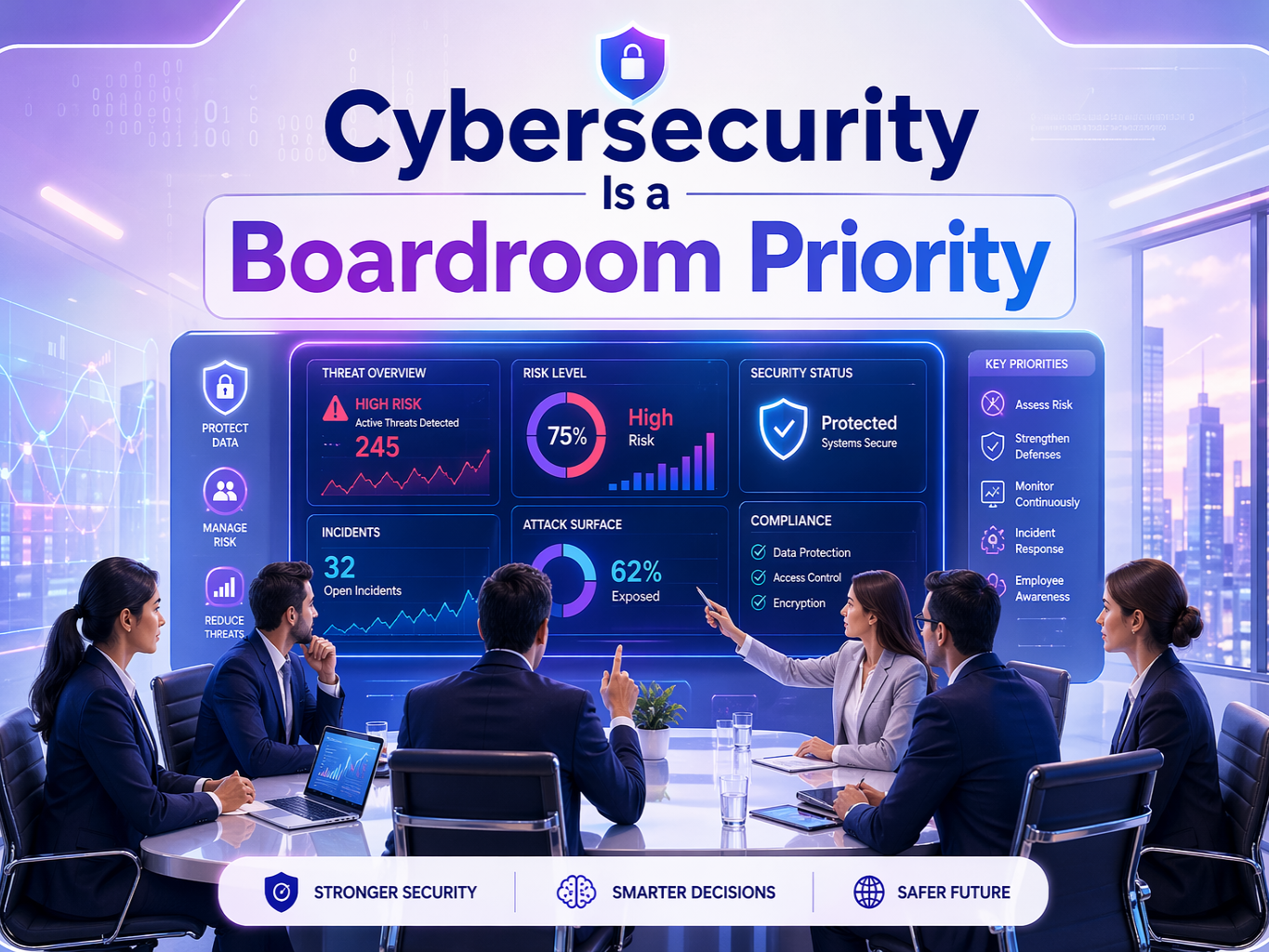
In today’s hyper-connected digital economy, cybersecurity has moved far beyond the IT department—it has become a central concern in executive boardrooms worldwide. As organizations undergo rapid digital transformation, cyber risks are no longer just technical issues; they are business risks that directly impact revenue, reputation, and long-term sustainability.
Platforms like BotDef’s cybersecurity insights hub highlight how modern security challenges are evolving daily, reinforcing the idea that staying secure isn’t optional—it’s essential. This shift has made cybersecurity a boardroom priority, demanding attention from CEOs, CFOs, and board members alike.
The Shift: From IT Issue to Business Risk
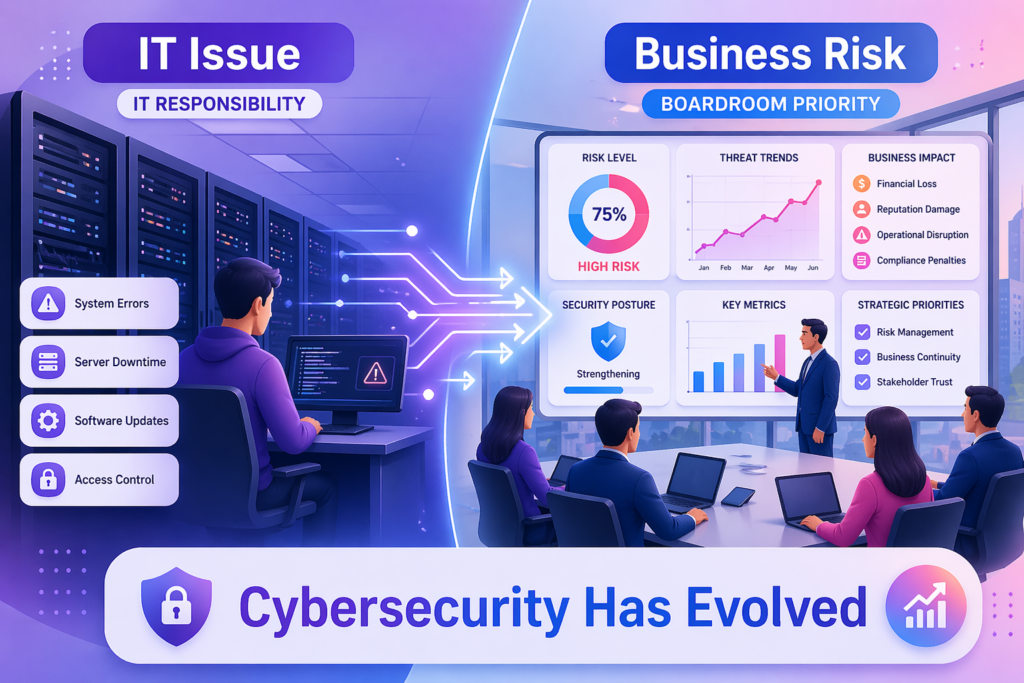
Traditionally, cybersecurity was handled by IT teams working behind the scenes. However, that model is no longer sufficient. Today, cyber threats can disrupt entire operations, leak sensitive data, and even bring companies to a standstill.
Why This Shift Happened
Several key factors have driven cybersecurity into the boardroom:
- Rise in sophisticated cyberattacks: Threat actors now use advanced techniques like ransomware-as-a-service and AI-powered attacks.
- Financial impact of breaches: According to IBM’s Cost of a Data Breach Report, the average cost of a breach continues to rise globally.
- Regulatory pressure: Governments and regulatory bodies are enforcing stricter data protection laws.
- Reputation damage: A single breach can erode customer trust built over years.
As a result, cybersecurity is no longer just about firewalls and antivirus software—it’s about protecting the organization’s future.
Understanding the True Cost of Cyber Threats
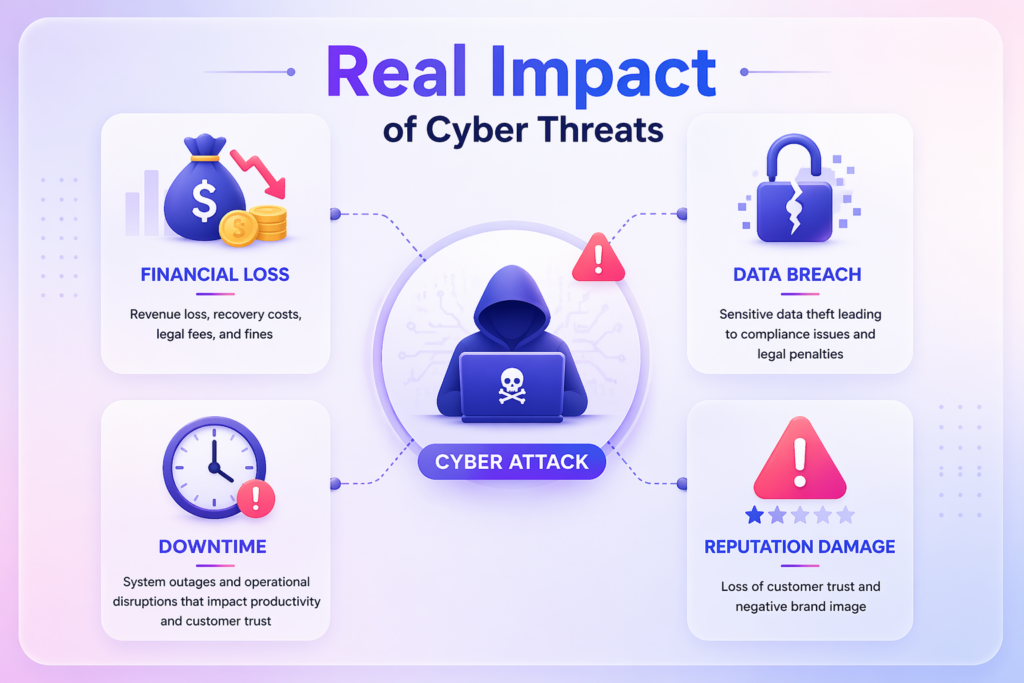
When discussing why cybersecurity is now a boardroom priority, it’s essential to understand the real cost of cyber incidents.
Direct Costs
- Incident response and recovery
- Legal and compliance penalties
- Compensation for affected customers
Indirect Costs
- Loss of customer trust
- Brand reputation damage
- Operational downtime
- Loss of intellectual property
For example, a ransomware attack can halt business operations for days, leading to significant financial losses. Moreover, companies often underestimate long-term impacts such as customer churn and investor confidence.
Why Executives Can No Longer Ignore Cybersecurity
Executives are increasingly held accountable for cybersecurity failures. In many cases, board members are now expected to demonstrate cybersecurity awareness and governance.
Key Reasons for Board-Level Involvement
1. Cybersecurity Impacts Strategic Decisions
Whether it’s entering a new market, adopting cloud infrastructure, or launching a digital product, cybersecurity plays a crucial role in decision-making.
2. Increased Regulatory Accountability
Data protection regulations require leadership accountability. Failure to comply can result in severe penalties.
3. Investor and Stakeholder Expectations
Investors now evaluate cybersecurity posture as part of risk assessment. A weak security framework can impact funding and valuation.
4. Cyber Risk = Business Risk
Cyber incidents can disrupt supply chains, halt production, and impact revenue streams—making them a core business concern.
The Role of Leadership in Cybersecurity Strategy
For cybersecurity to be effective, leadership involvement is critical. Board members must go beyond basic awareness and actively participate in shaping security strategies.
What Board Members Should Focus On
- Risk Management: Identify and prioritize cyber risks.
- Budget Allocation: Ensure adequate investment in security tools and talent.
- Policy Development: Establish clear cybersecurity policies and frameworks.
- Incident Response Planning: Prepare for worst-case scenarios.
Organizations can strengthen their approach by leveraging practical frameworks and insights shared through resources like advanced threat intelligence and security strategies, which help bridge the gap between technical teams and executive leadership.
Key Cybersecurity Trends Driving Boardroom Attention
1. Rise of Ransomware Attacks
Ransomware continues to dominate headlines, targeting businesses of all sizes. Attackers are becoming more organized and strategic, often targeting critical infrastructure.
2. Cloud Security Challenges
As businesses migrate to the cloud, new vulnerabilities emerge. Misconfigured cloud environments are a leading cause of data breaches.
3. Remote Work Risks
The shift to remote and hybrid work models has expanded the attack surface, making endpoint security more complex.
4. AI-Powered Threats
Cybercriminals are leveraging artificial intelligence to automate attacks, making them faster and harder to detect.
5. Supply Chain Attacks
Third-party vendors can introduce vulnerabilities, making supply chain security a critical concern.
For deeper understanding of evolving threats and mitigation techniques, authoritative sources like the Cybersecurity and Infrastructure Security Agency (CISA) provide valuable guidance.
Building a Cybersecurity-First Culture
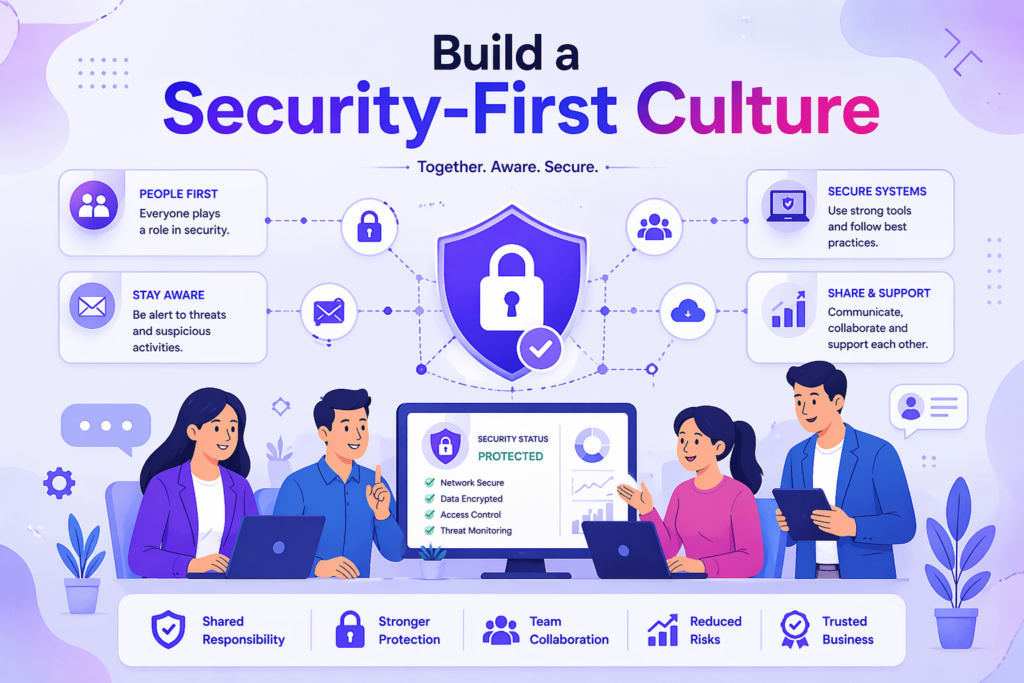
Making cybersecurity a boardroom priority is only the first step. Organizations must also foster a culture where security is embedded in every layer.
Key Elements of a Security-First Culture
- Employee Awareness Training
Employees are often the weakest link. Regular training reduces risks like phishing attacks. - Zero Trust Architecture
Trust no one by default—verify every access request. - Continuous Monitoring
Detect and respond to threats in real time. - Collaboration Across Teams
Security should involve IT, HR, legal, and operations.
Example
A company implementing a Zero Trust model ensures that even internal users must authenticate continuously, reducing insider threats significantly.
Cybersecurity Frameworks That Boards Should Know
Understanding frameworks helps boards make informed decisions.
Popular Frameworks
- NIST Cybersecurity Framework
- ISO/IEC 27001
- CIS Critical Security Controls
These frameworks provide structured approaches to managing cybersecurity risks effectively.
Measuring Cybersecurity Effectiveness
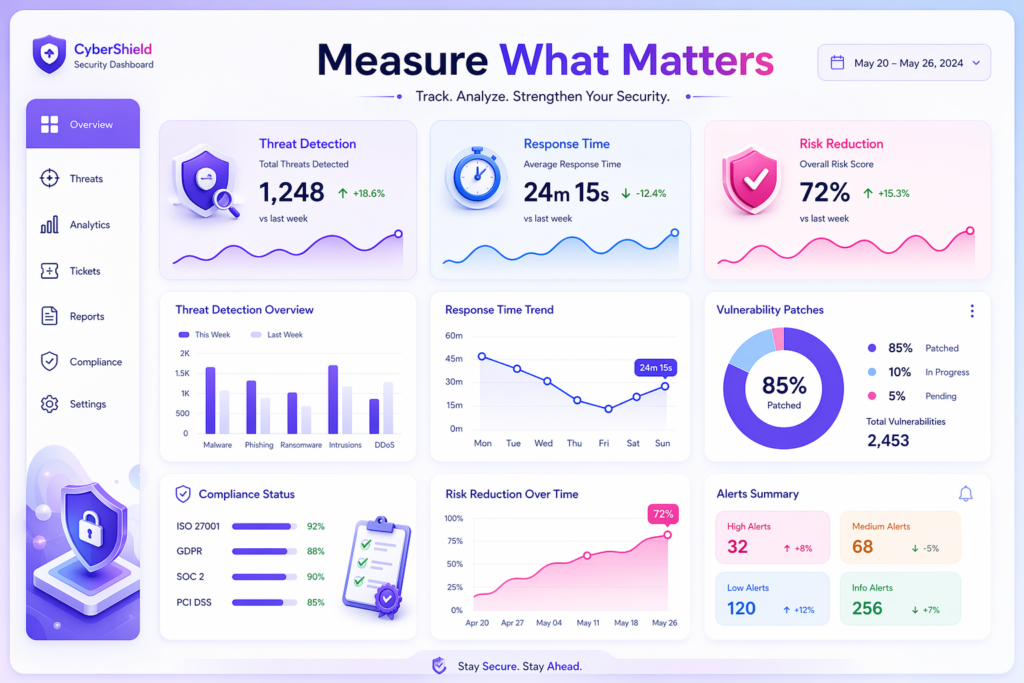
Boards need measurable metrics to evaluate cybersecurity performance.
Key Metrics to Track
- Number of detected threats
- Incident response time
- Vulnerability patching speed
- Employee training completion rates
- Compliance status
By tracking these metrics, organizations can continuously improve their security posture.
Challenges in Making Cybersecurity a Boardroom Priority
Despite its importance, organizations face several challenges:
Common Barriers
- Lack of cybersecurity expertise at the board level
- Difficulty translating technical risks into business language
- Budget constraints
- Rapidly evolving threat landscape
However, these challenges can be addressed through education, strategic partnerships, and leveraging reliable security platforms.
The Future of Cybersecurity in the Boardroom
The role of cybersecurity in the boardroom will only continue to grow. In the future, we can expect:
- Dedicated cybersecurity committees at the board level
- Increased use of AI in threat detection
- Stronger regulatory frameworks
- Greater emphasis on proactive security strategies
Organizations that fail to prioritize cybersecurity risk falling behind both competitively and operationally.
Practical Steps to Elevate Cybersecurity at the Executive Level
To truly make cybersecurity a boardroom priority, organizations should take actionable steps:
Step-by-Step Approach
- Educate Leadership
Conduct regular cybersecurity briefings for executives. - Integrate Cybersecurity into Business Strategy
Align security goals with business objectives. - Invest in Advanced Security Solutions
Use modern tools for threat detection and response. - Develop Incident Response Plans
Be prepared for potential breaches. - Conduct Regular Audits
Identify vulnerabilities before attackers do.
Organizations seeking reliable, actionable insights and tools can explore platforms like BotDef’s security solutions and resources, which support businesses in strengthening their cybersecurity posture effectively.
Conclusion
Cybersecurity is no longer a technical afterthought—it is a strategic imperative. As cyber threats grow in scale and sophistication, organizations must elevate cybersecurity to the highest levels of decision-making.
By making cybersecurity a boardroom priority, businesses can not only protect their assets but also build trust, ensure compliance, and gain a competitive advantage in the digital landscape.
Ultimately, the organizations that treat cybersecurity as a core business function—not just an IT responsibility—will be the ones that thrive in an increasingly uncertain digital world.