In today’s digital world, staying secure isn’t just an option—it’s a necessity. This blog is your go-to source for the latest security updates and insights.
Cyber threats are evolving faster than ever. From ransomware attacks and phishing campaigns to insider threats and data breaches, businesses of all sizes face increasing cybersecurity risks. Yet one question continues to challenge executives, IT leaders, and business owners alike: How much should businesses really spend on cybersecurity?
Many organizations struggle to find the right balance. Spend too little, and critical vulnerabilities remain exposed. Spend too much, and cybersecurity investments may impact other business priorities without delivering proportional value.
The reality is that cybersecurity budgeting is not about choosing a fixed number. Instead, it involves understanding risk, aligning security investments with business objectives, and ensuring adequate protection against modern threats.
Organizations looking to strengthen their security posture can benefit from expert guidance and continuous security insights available through resources such as the BotDef cybersecurity platform, which focuses on helping businesses stay informed about emerging security challenges.
In this comprehensive guide, we will explore how cybersecurity budgets are determined, industry benchmarks, factors that influence spending decisions, and practical strategies for maximizing security investments.
Why Cybersecurity Budgeting Matters More Than Ever
Cybersecurity is no longer an IT-only concern.
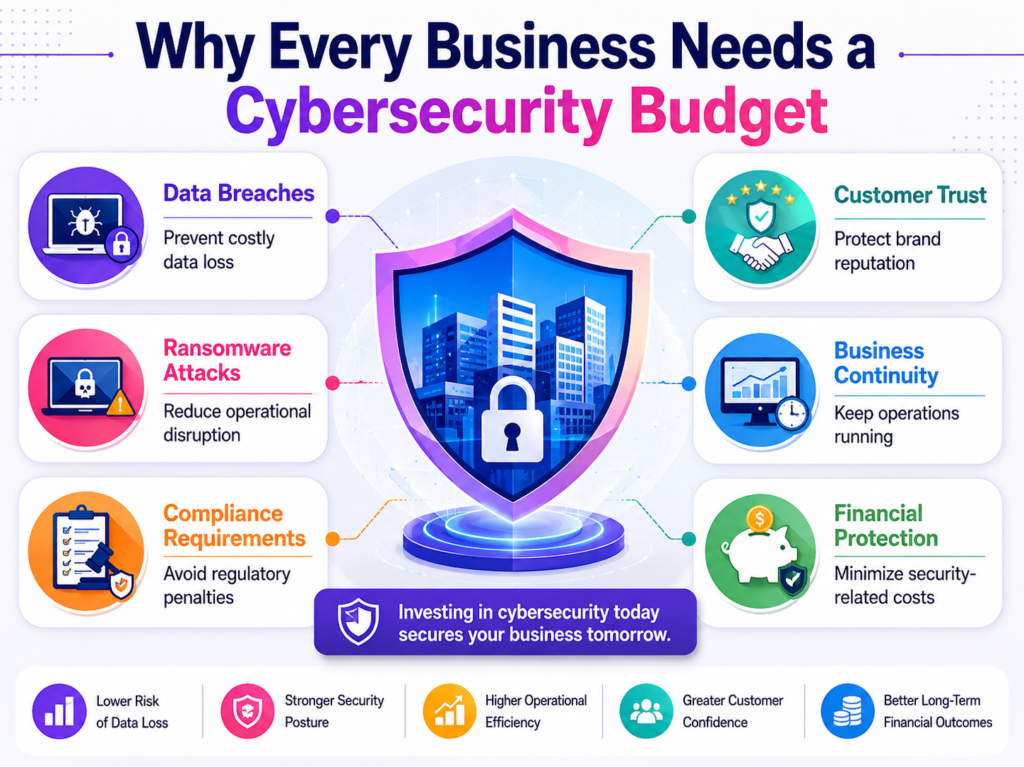
Today, security directly impacts:
- Business continuity
- Customer trust
- Regulatory compliance
- Financial stability
- Brand reputation
- Competitive advantage
According to the IBM Cost of a Data Breach Report, the average cost of a data breach continues to reach millions of dollars globally. These costs include investigation expenses, downtime, legal penalties, customer compensation, and reputational damage.
As digital transformation accelerates, businesses increasingly depend on cloud services, remote work environments, mobile devices, and interconnected applications. Consequently, the attack surface expands significantly.
A well-planned cybersecurity budget helps organizations proactively manage risks instead of reacting to incidents after damage occurs.
Understanding Cybersecurity Budgeting
What Is Cybersecurity Budgeting?
Cybersecurity budgeting refers to the process of allocating financial resources toward technologies, personnel, training, monitoring, and security programs designed to protect business assets.
A cybersecurity budget typically covers:
- Security software and tools
- Threat detection systems
- Employee awareness training
- Security assessments
- Compliance initiatives
- Incident response planning
- Managed security services
- Infrastructure protection
- Cloud security solutions
Rather than treating security as an expense, modern organizations increasingly view it as a strategic investment.
How Much Do Businesses Typically Spend on Cybersecurity?
One of the most common questions regarding cybersecurity budgeting is whether there is a recommended percentage of overall IT spending.
While there is no universal answer, industry research suggests that organizations commonly allocate:
| Organization Type | Security Budget as % of IT Budget |
|---|---|
| Small Businesses | 5%–10% |
| Mid-Sized Businesses | 10%–15% |
| Enterprise Organizations | 15%–20%+ |
| Highly Regulated Industries | 20%–30%+ |
However, percentages alone do not tell the full story.
A company handling sensitive financial transactions will likely require significantly higher security spending than a business with minimal customer data exposure.
Therefore, effective cybersecurity budgeting should always be risk-driven rather than benchmark-driven.
Key Factors That Influence Cybersecurity Budgeting
1. Business Size
Larger organizations generally require larger security investments because they manage:
- More endpoints
- More users
- Larger networks
- Complex infrastructures
- Multiple locations
However, smaller businesses should not assume they are safe from attacks.
In fact, many cybercriminals specifically target small businesses because they often have weaker defenses.
2. Industry Requirements
Certain sectors face stricter compliance obligations and higher security expectations.
Examples include:
Financial Services
Financial institutions must comply with extensive security regulations and continuously defend against sophisticated attacks.
Healthcare
Healthcare organizations manage sensitive patient information and must protect electronic health records.
E-Commerce
Online retailers process payment information and customer data, making them attractive targets for cybercriminals.
Government Contractors
Government-related organizations often face advanced persistent threats and strict security requirements.
Industries with higher risk profiles naturally require larger cybersecurity budgets.
3. Data Sensitivity
The value of data significantly affects cybersecurity budgeting decisions.
Consider the following data types:
- Customer records
- Payment information
- Intellectual property
- Trade secrets
- Employee information
- Healthcare records
The more sensitive the data, the greater the investment required to protect it.
4. Regulatory Compliance Requirements
Regulatory frameworks frequently require organizations to implement specific security controls.
Examples include:
- GDPR
- HIPAA
- PCI DSS
- SOC 2
- ISO 27001
Failure to comply can result in substantial fines and reputational damage.
As a result, compliance initiatives often represent a significant portion of cybersecurity budgets.
5. Risk Exposure
Every business has a unique threat profile.
Questions organizations should ask include:
- Are we frequently targeted?
- Do we operate internationally?
- Do we support remote workers?
- Do we rely heavily on cloud services?
- Do we process financial transactions?
The answers help determine appropriate cybersecurity spending levels.
Essential Areas Every Cybersecurity Budget Should Cover
Security Technology Investments
Technology forms the foundation of most cybersecurity programs.
Common investments include:
- Firewalls
- Endpoint protection
- Email security
- SIEM platforms
- Identity management solutions
- Multi-factor authentication
- Cloud security tools
- Vulnerability scanners
Organizations should focus on tools that address their most critical risks rather than purchasing every available solution.
Employee Security Awareness Training
Technology alone cannot stop every attack.
Human error remains one of the leading causes of security incidents.
Training programs should cover:
- Phishing awareness
- Password security
- Social engineering attacks
- Safe browsing practices
- Data handling procedures
According to guidance from the Cybersecurity and Infrastructure Security Agency (CISA), employee awareness remains one of the most effective methods for reducing cyber risk.
Incident Response Planning
Many businesses underestimate the importance of incident response preparedness.
A cybersecurity budget should support:
- Response planning
- Recovery procedures
- Crisis communication
- Forensic investigations
- Business continuity planning
Preparation often reduces both the cost and impact of cyber incidents.
Continuous Monitoring and Threat Detection
Modern attacks can remain undetected for weeks or months.
Continuous monitoring helps organizations:
- Detect suspicious behavior
- Identify vulnerabilities
- Respond faster to threats
- Reduce breach impact
Many organizations now allocate substantial portions of their cybersecurity budgeting toward proactive monitoring capabilities.
Security Assessments and Audits
Regular assessments help identify weaknesses before attackers exploit them.
These may include:
- Vulnerability assessments
- Penetration testing
- Security audits
- Compliance reviews
- Risk assessments
Periodic evaluations ensure security investments remain effective.
Common Cybersecurity Budgeting Mistakes
Focusing Only on Technology
Many organizations spend heavily on software while neglecting training, policies, and governance.
Security requires a balanced approach involving people, processes, and technology.
Underestimating Insider Risks
Not all threats originate from external attackers.
Employees, contractors, and partners can accidentally or intentionally create security incidents.
Effective cybersecurity budgeting should include controls that address insider risks.
Ignoring Future Growth
Businesses often budget based on current needs without considering future expansion.
As organizations grow, their attack surfaces grow as well.
Scalable security planning helps avoid costly adjustments later.
Treating Security as a One-Time Investment
Cybersecurity is not a project with an end date.
Threats evolve constantly.
Consequently, cybersecurity budgeting should support ongoing improvement rather than one-time purchases.
How to Build a Risk-Based Cybersecurity Budget
Step 1: Conduct a Risk Assessment
Begin by identifying:
- Critical assets
- Potential threats
- Vulnerabilities
- Business impacts
Risk assessments help prioritize spending based on actual business exposure.
Step 2: Identify Security Gaps
Compare current protections against industry standards and regulatory requirements.
Gap analysis helps determine where investments are needed most.
Step 3: Prioritize High-Impact Risks
Not all risks require equal attention.
Focus resources on:
- Critical systems
- Sensitive data
- High-likelihood threats
This approach maximizes return on security investments.
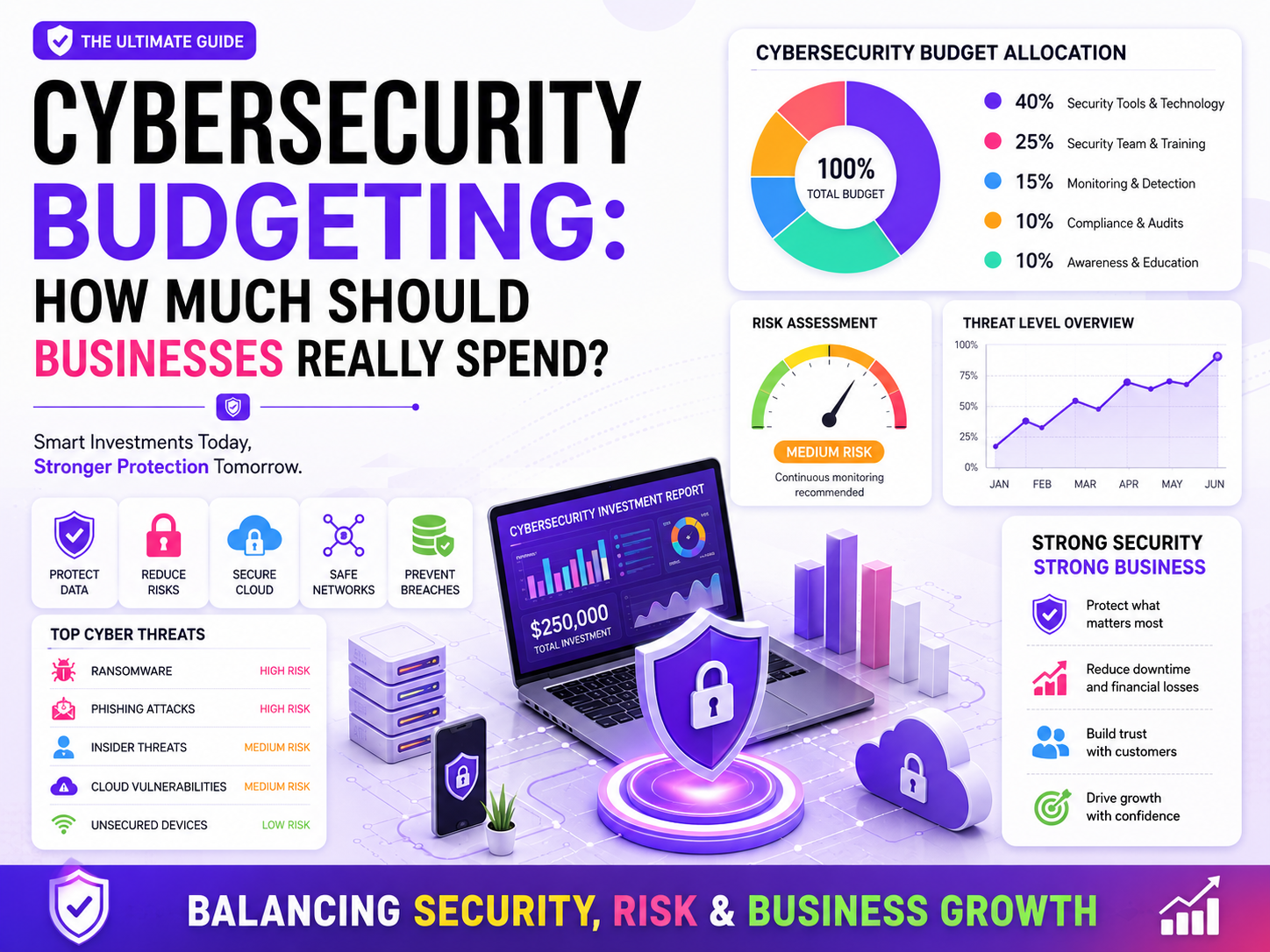
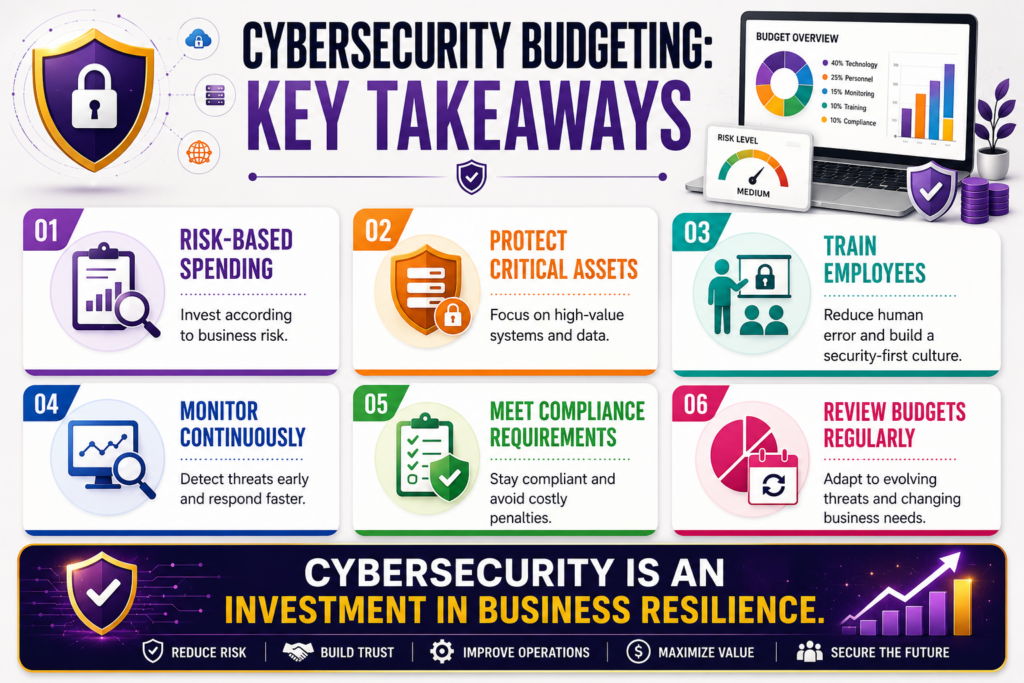
Step 4: Allocate Budget Across Key Categories
A balanced cybersecurity budget often includes:
- 40% Technology
- 25% Personnel
- 15% Monitoring
- 10% Training
- 10% Assessments and Compliance
Actual allocations vary depending on organizational needs.
Step 5: Measure Security Effectiveness
Track metrics such as:
- Incident response times
- Vulnerability remediation rates
- Phishing simulation results
- Compliance performance
- Security awareness participation
Metrics help justify future cybersecurity budgeting decisions.
Cybersecurity Budgeting for Small Businesses
Small businesses frequently assume cybersecurity is too expensive.
In reality, the cost of a successful cyberattack often exceeds preventive investments.
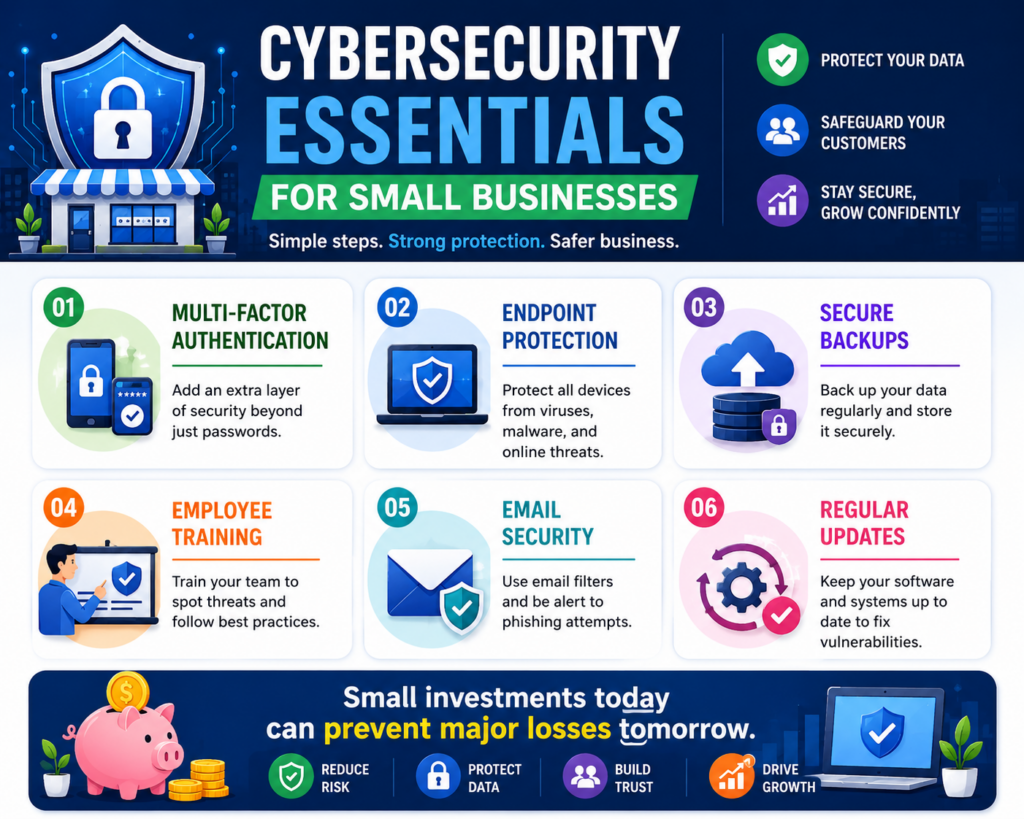
Small organizations should prioritize:
- Multi-factor authentication
- Endpoint protection
- Secure backups
- Employee training
- Email security
- Regular updates and patching
These foundational measures provide strong protection without requiring enterprise-level spending.
Businesses seeking ongoing cybersecurity education can also explore security-focused resources and industry updates available through the BotDef Blog, which covers emerging threats, security best practices, and evolving defense strategies.
Cybersecurity Budgeting for Mid-Sized and Enterprise Organizations
As organizations grow, cybersecurity requirements become more complex.
Additional investments may include:
- Security Operations Centers (SOC)
- Threat intelligence platforms
- Zero Trust architecture
- Advanced endpoint detection
- Security orchestration tools
- Third-party risk management
Larger organizations often adopt multi-layered security programs that provide comprehensive protection across diverse environments.
The ROI of Cybersecurity Spending
Some executives view cybersecurity as a cost center.
However, effective cybersecurity budgeting delivers measurable value through:
- Reduced breach costs
- Improved customer trust
- Enhanced compliance readiness
- Lower operational disruptions
- Better business continuity
- Stronger competitive positioning
The goal is not simply spending more but spending strategically.
Organizations that align security investments with business objectives often achieve better outcomes while optimizing resources.
Future Trends Shaping Cybersecurity Budgets
Several emerging trends are influencing cybersecurity budgeting decisions:
AI-Powered Threat Detection
Artificial intelligence is improving threat identification and response capabilities.
Cloud Security Investments
As cloud adoption increases, cloud security spending continues to rise.
Zero Trust Architecture
Organizations increasingly invest in Zero Trust frameworks to reduce unauthorized access risks.
Supply Chain Security
Recent attacks have highlighted the importance of securing third-party relationships.
Security Automation
Automation helps reduce workload while improving response speed and efficiency.
Businesses that proactively adapt to these trends will likely strengthen resilience against future threats.
Conclusion
Determining the right amount to spend on cybersecurity is not about following a fixed percentage or copying industry benchmarks. Effective cybersecurity budgeting requires understanding business risks, protecting critical assets, meeting compliance requirements, and preparing for evolving threats.
Whether you operate a small business, a growing enterprise, or a large organization, cybersecurity investments should align with your unique risk profile and long-term objectives. By focusing on risk assessments, employee awareness, continuous monitoring, and strategic security initiatives, organizations can maximize protection while maintaining financial efficiency.
Most importantly, cybersecurity should be viewed as an ongoing business investment rather than a one-time expense. Companies that continuously evaluate and improve their security posture are better positioned to withstand modern cyber threats and maintain customer trust.
For organizations seeking practical security guidance, threat awareness, and ongoing cybersecurity insights, resources available through BotDef’s security knowledge center can help support informed decision-making and stronger cyber resilience.