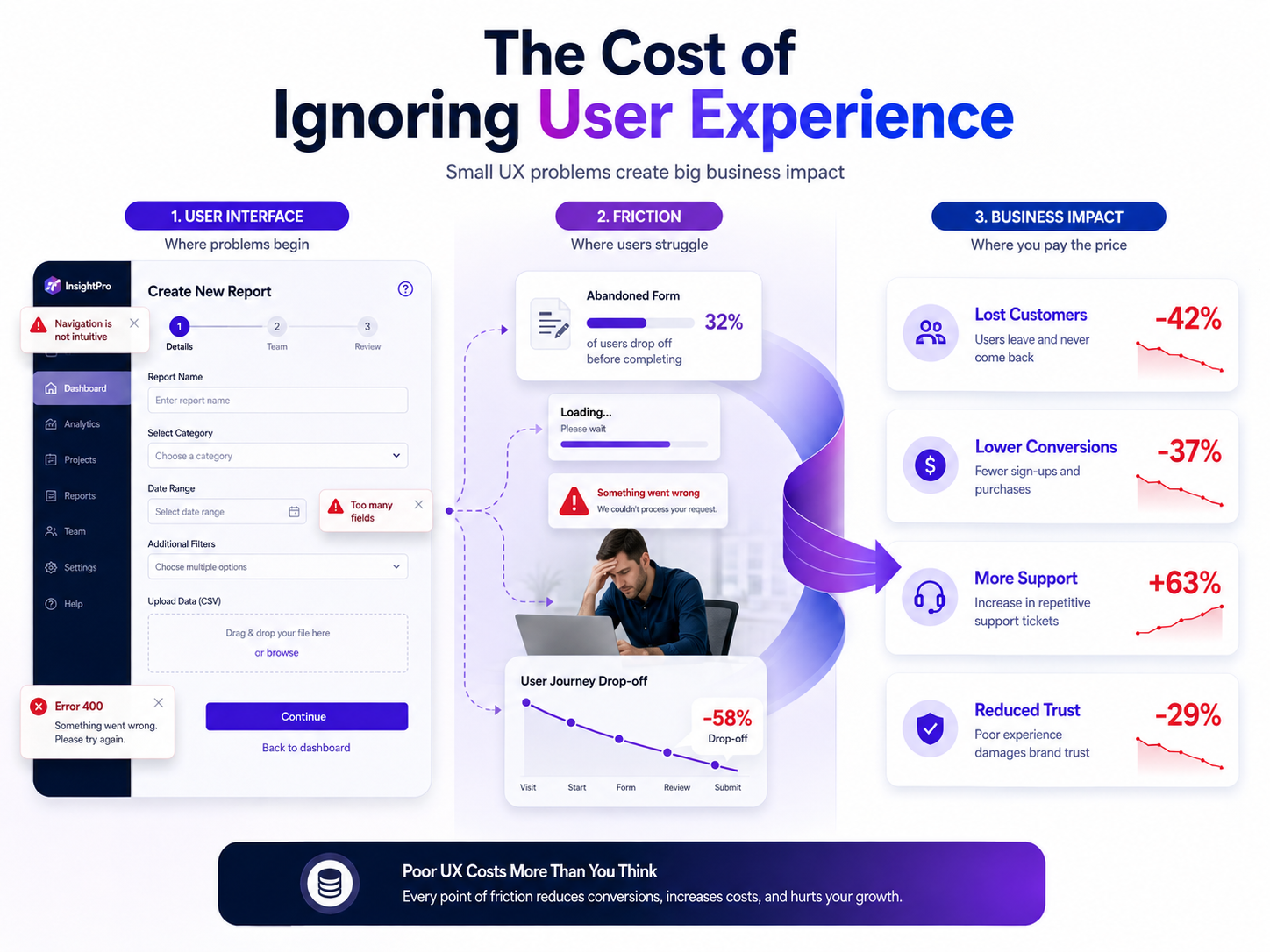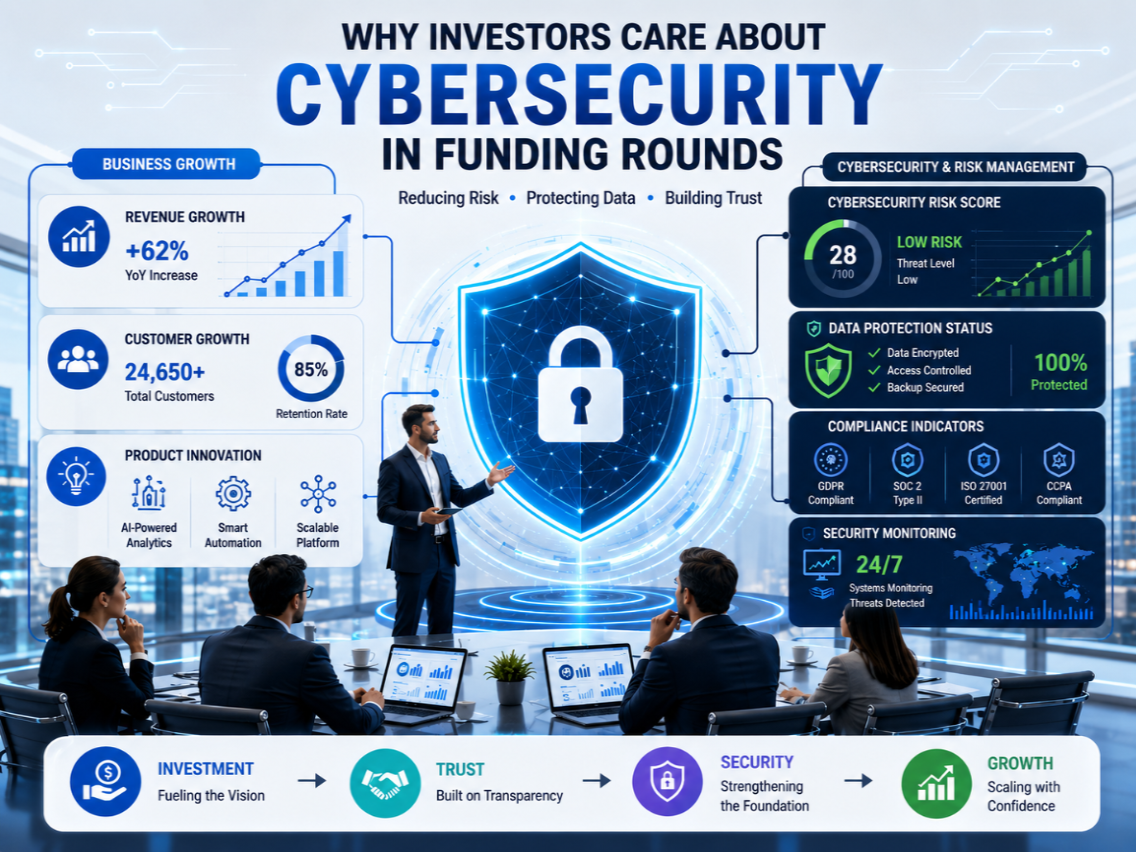
In today’s digital world, staying secure isn’t just an option—it’s a necessity. As businesses become increasingly dependent on digital infrastructure, cybersecurity has evolved from a technical concern into a critical business priority. For startups seeking investment, this shift has introduced a new reality: investors now evaluate cybersecurity practices alongside revenue growth, market opportunity, and product innovation.
For founders preparing for fundraising, understanding why investors care about cybersecurity in funding rounds is essential. Security weaknesses can expose companies to financial losses, legal liabilities, operational disruptions, and reputational damage—all of which directly impact business valuation.
As organizations continue to face sophisticated cyber threats, resources such as the insights available through the Botdef cybersecurity platform help business leaders stay informed about emerging security challenges and best practices.
This article explores why cybersecurity has become a major factor in investment decisions, what investors look for during due diligence, and how startups can strengthen their security posture to improve funding outcomes.
The Growing Importance of Cybersecurity in Modern Business
Not long ago, cybersecurity was often viewed as a responsibility belonging solely to IT departments. Today, however, it has become a boardroom-level issue.
Businesses collect and process large volumes of sensitive information, including:
- Customer data
- Payment information
- Intellectual property
- Employee records
- Financial documents
- Proprietary algorithms and software
A security breach can jeopardize all of these assets.
Consequently, investors have realized that cybersecurity is closely tied to long-term business sustainability. A company that fails to protect its digital assets may face serious challenges that affect growth potential and return on investment.
This is one of the primary reasons why cybersecurity discussions now occur much earlier in funding conversations than ever before.
Why Investors Care About Cybersecurity in Funding Rounds
The simple answer is risk.
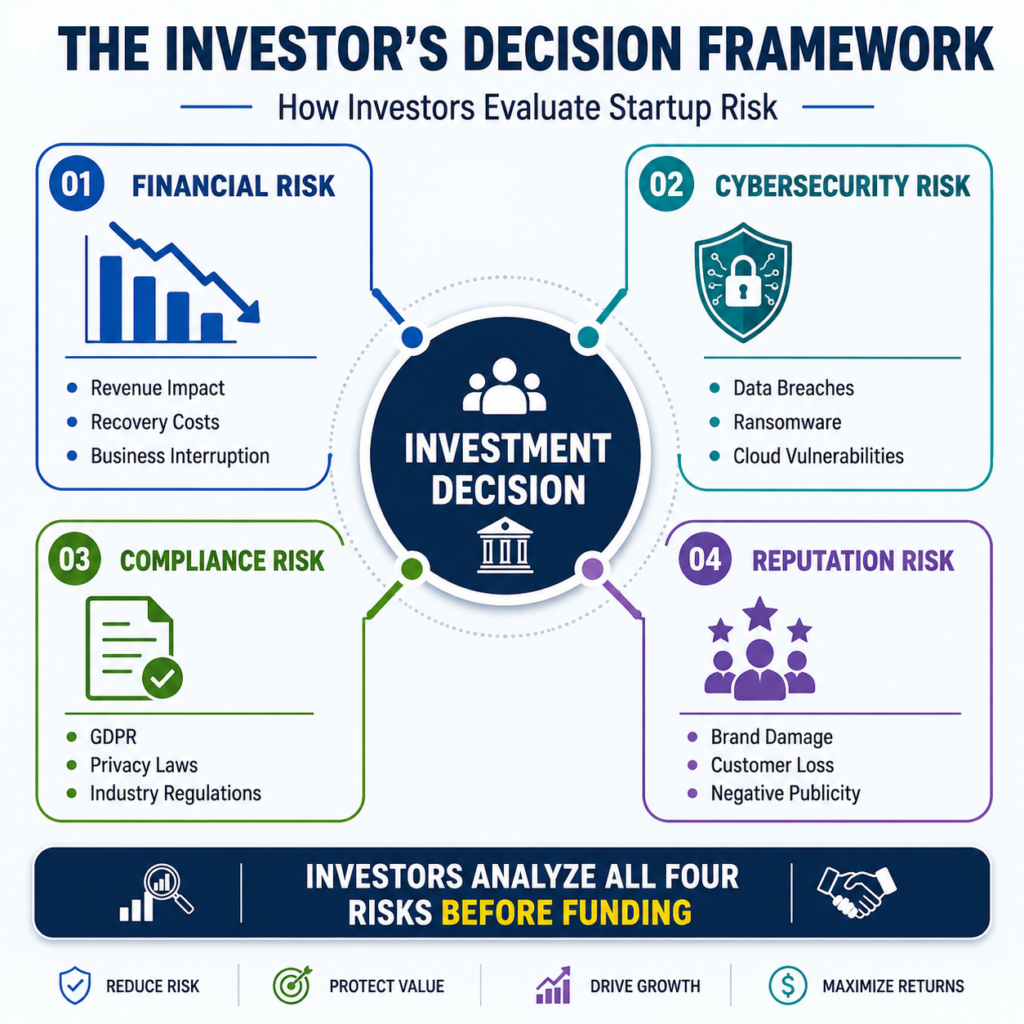
Investors are fundamentally evaluating risk versus reward. While market opportunities and revenue potential represent rewards, cybersecurity vulnerabilities represent risks.
When investors conduct due diligence, they want confidence that the company can scale without exposing itself to catastrophic security incidents.
Several factors drive this concern.
Financial Risk
Cyberattacks can be extremely expensive.
According to research published by the IBM Cost of a Data Breach Report, organizations worldwide continue to experience significant financial impacts following major security incidents.
These costs often include:
- Incident response expenses
- Legal fees
- Regulatory penalties
- Customer compensation
- Business interruption losses
- Security remediation efforts
For investors, such expenses can significantly reduce profitability and company value.
Reputation Risk
Trust is one of the most valuable assets a business can possess.
When a company experiences a data breach, customer confidence can decline rapidly. Users may stop using products, partners may reconsider relationships, and future customers may hesitate to engage.
Investors understand that rebuilding trust can take years.
Regulatory Risk
Governments worldwide continue introducing stricter data protection regulations.
Depending on the industry and geography, businesses may need to comply with:
- GDPR
- CCPA
- HIPAA
- PCI DSS
- Industry-specific security frameworks
Failure to comply can result in substantial penalties.
Investors often assess whether startups have established security controls capable of supporting regulatory compliance as the company grows.
Operational Risk
Cyber incidents can disrupt critical business operations.
Examples include:
- Ransomware attacks
- Service outages
- Data corruption
- Account takeovers
- Supply chain compromises
When operations stop, revenue generation often stops as well.
For investors seeking scalable businesses, operational resilience is a major consideration.
Cybersecurity Has Become Part of Due Diligence
Modern investment due diligence extends far beyond financial statements.
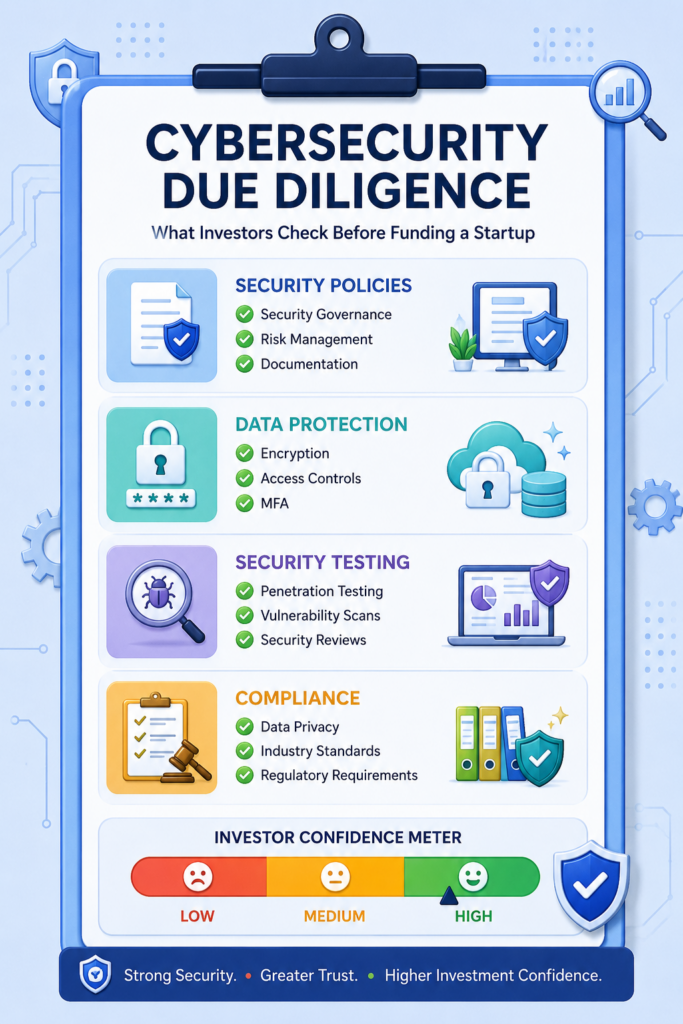
Today, investors frequently evaluate:
- Security policies
- Incident response plans
- Data protection measures
- Employee security training
- Infrastructure security
- Third-party risk management
- Compliance programs
In many cases, specialized cybersecurity assessments are performed before major investments are finalized.
This trend is especially common in:
- SaaS companies
- Fintech startups
- Healthcare technology businesses
- AI platforms
- E-commerce companies
- Cloud-native organizations
The more sensitive the data being handled, the more scrutiny cybersecurity receives.
What Investors Look for During Cybersecurity Reviews
Understanding investor expectations can help founders prepare effectively.
Security Governance
Investors want evidence that cybersecurity is being managed strategically rather than reactively.
They often look for:
- Defined security responsibilities
- Security leadership involvement
- Risk assessment processes
- Security policies and documentation
A clear governance framework demonstrates organizational maturity.
Data Protection Controls
Protecting customer and business data is a top priority.
Investors typically examine whether the company has implemented:
- Encryption standards
- Access controls
- Multi-factor authentication
- Backup procedures
- Data retention policies
Strong controls reduce the likelihood of data exposure incidents.
Vulnerability Management
No system is perfectly secure.
However, investors want confidence that vulnerabilities are identified and addressed promptly.
Common indicators include:
- Regular security testing
- Penetration testing reports
- Vulnerability scanning programs
- Patch management processes
Organizations that actively manage vulnerabilities demonstrate a proactive security culture.
Employee Security Awareness
Human error remains one of the most common causes of security incidents.
Therefore, investors often evaluate:
- Security awareness training
- Phishing simulations
- Access management procedures
- Insider threat controls
A security-conscious workforce significantly strengthens overall defenses.
The Relationship Between Cybersecurity and Company Valuation
Many founders underestimate how cybersecurity can affect valuation.
A strong security posture can positively influence investor confidence because it reduces perceived risk.
Conversely, significant security weaknesses may lead to:
- Lower valuations
- Additional due diligence requirements
- Delayed funding decisions
- Reduced investor interest
- Increased legal scrutiny
In some cases, undisclosed cybersecurity issues discovered during due diligence can completely derail funding negotiations.
Investors prefer transparency.
If security challenges exist, demonstrating a realistic remediation strategy is often better than attempting to hide problems.
How Cybersecurity Supports Business Growth
Many business leaders mistakenly view cybersecurity solely as a cost center.
However, effective security can actually accelerate growth.
Improved Customer Trust
Customers increasingly evaluate security before purchasing products or services.
Strong security practices help businesses:
- Win enterprise customers
- Retain existing clients
- Differentiate from competitors
- Build long-term trust
These outcomes directly support revenue growth.
Faster Enterprise Sales
Large organizations frequently conduct vendor security reviews before signing contracts.
Startups with mature cybersecurity programs often navigate these reviews more efficiently.
As a result, sales cycles become shorter and business opportunities increase.
Better Partnership Opportunities
Strategic partnerships often require security assurance.
Companies with documented security controls are generally viewed as more reliable business partners.
This can create new growth opportunities that appeal to investors.
The Rising Influence of Cybersecurity in Technology Investments
Technology-focused investors are paying closer attention to cybersecurity than ever before.
Several trends contribute to this shift:
Increased Cyber Threat Activity
Threat actors continue developing more advanced attack techniques.
Organizations now face risks from:
- Ransomware groups
- Nation-state actors
- Supply chain attacks
- Credential theft campaigns
- Cloud security threats
Security preparedness has become essential for business continuity.
For organizations interested in understanding evolving threat landscapes, educational resources available through the Botdef cybersecurity blog provide valuable guidance on emerging security trends and defensive strategies.
Cloud Adoption
Cloud technologies offer flexibility and scalability, but they also introduce new security challenges.
Investors increasingly assess:
- Cloud security architecture
- Identity management
- Configuration practices
- Data protection controls
Misconfigured cloud environments remain a common source of breaches.
AI and Emerging Technologies
Artificial intelligence is transforming industries.
However, AI systems introduce new security considerations involving:
- Data integrity
- Model manipulation
- Access controls
- Privacy protection
Investors want assurance that innovative technologies are being deployed responsibly and securely.
Common Cybersecurity Red Flags for Investors
Certain issues can quickly raise concerns during funding discussions.
Lack of Security Documentation
If policies and procedures are undocumented, investors may question operational maturity.
No Incident Response Plan
Security incidents are inevitable.
Companies without response plans may struggle to contain and recover from attacks.
Weak Access Controls
Shared credentials, excessive privileges, and poor identity management practices often signal elevated risk.
Missing Security Testing
Investors generally expect evidence of security assessments.
Failure to conduct testing may indicate that vulnerabilities remain undiscovered.
Compliance Gaps
Regulatory noncompliance creates legal and financial risks that investors typically seek to avoid.
How Startups Can Improve Investor Confidence
The good news is that startups do not need massive security budgets to demonstrate maturity.
Several practical steps can make a significant difference.
Establish Security Fundamentals
Start with foundational controls:
- Multi-factor authentication
- Endpoint protection
- Secure backups
- Encryption
- Access management
These measures provide substantial risk reduction.
Document Security Policies
Investors appreciate structured processes.
Documenting security expectations helps demonstrate accountability and consistency.
Conduct Security Assessments
Regular assessments identify weaknesses before attackers do.
These assessments may include:
- Vulnerability scans
- Penetration testing
- Risk assessments
- Compliance reviews
Train Employees
Security awareness remains one of the most cost-effective investments.
Educated employees are less likely to fall victim to phishing attacks and social engineering schemes.
Build a Security Roadmap
Investors understand that startups operate with limited resources.
What matters most is having a realistic plan for improving security over time.
Cybersecurity as a Competitive Advantage During Fundraising
Forward-thinking startups increasingly position cybersecurity as a competitive advantage.
Instead of viewing security as a compliance requirement, they integrate it into their business strategy.
Benefits include:
- Stronger investor confidence
- Improved customer trust
- Enhanced brand reputation
- Reduced operational risk
- Better scalability
When cybersecurity becomes part of the company culture, it creates measurable business value.
Investors recognize this value and often reward it through greater confidence during funding evaluations.
The Future of Cybersecurity in Funding Decisions
The importance of cybersecurity in funding rounds will likely continue increasing.
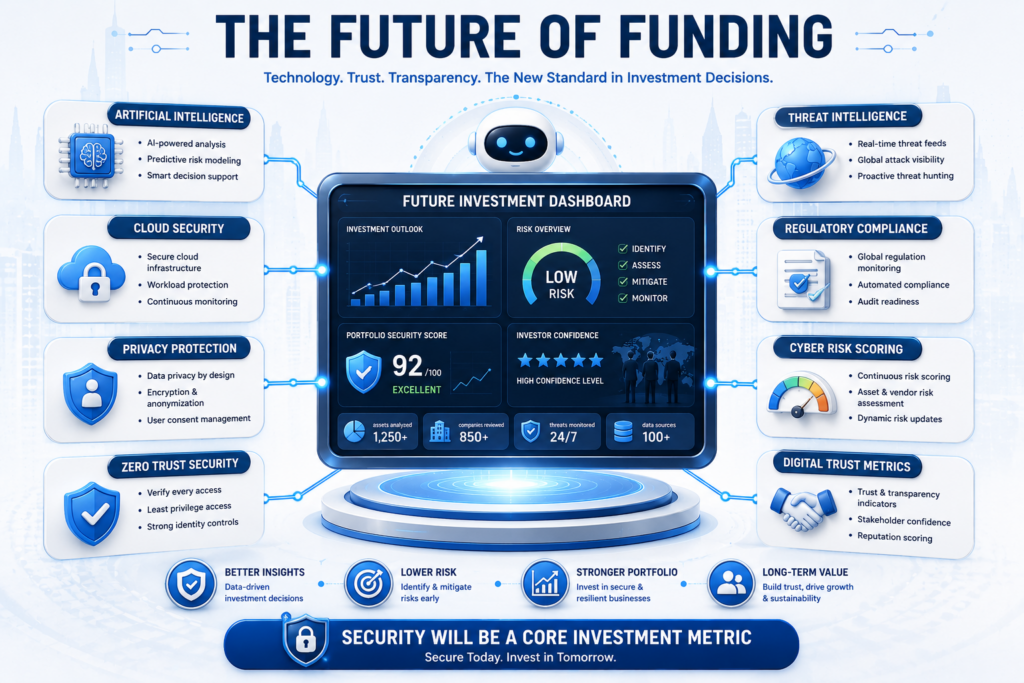
Several developments support this trend:
- More sophisticated cyber threats
- Expanding regulatory requirements
- Greater reliance on cloud infrastructure
- Increased digital transformation
- Growing consumer privacy expectations
As these factors evolve, investors will place even greater emphasis on security maturity.
Companies that proactively invest in cybersecurity today may find themselves better positioned to secure future funding, attract enterprise customers, and achieve sustainable growth.
Organizations seeking ongoing cybersecurity education, threat intelligence insights, and practical security guidance can explore additional resources available through Botdef’s cybersecurity knowledge center, which helps businesses stay informed about the rapidly changing security landscape.
Conclusion
Understanding why investors care about cybersecurity in funding rounds is no longer optional for startup founders and business leaders. Cybersecurity directly influences financial stability, operational resilience, regulatory compliance, customer trust, and long-term company valuation.
Investors increasingly view security as a business issue rather than a technical issue. During funding rounds, they want evidence that organizations can protect critical assets, manage risks effectively, and support sustainable growth.
Companies that prioritize cybersecurity not only reduce risk but also strengthen investor confidence, improve customer relationships, and create a competitive advantage in the marketplace. As digital threats continue evolving, organizations with mature security programs will be better equipped to attract investment and achieve long-term success.